History of Belgrade in Timeline


Belgrade is the capital and largest city of Serbia, situated at the confluence of the Sava and Danube rivers, marking the intersection of the Pannonian Plain and the Balkan Peninsula. The 2022 census indicates a city proper population of 1,197,114, with its urban area housing 1,298,661 residents, and the administrative area totaling 1,682,720 people. It is a major city in Southeast Europe and the third-most populous city on the Danube.
3 hours ago : Riki Martin to perform in Belgrade at River Fest, June 16th
Riki Martin, a global Latino pop star, will perform in Belgrade on June 16th as part of the Belgrade River Fest celebration. This is part of the River Fest's fifth anniversary.


1900: Belgrade Population in 1900
In 1900, Belgrade had a population of only 70,000 inhabitants, while Serbia numbered 2.5 million.
1901: Ethnographic Museum established
The Ethnographic Museum was established in 1901.
1903: Kod jelena ceases to be a hotel
In 1903, the hotel 'Kod jelena' ceased to operate as a hotel.
1905: Belgrade Population Growth in 1905
By 1905, Belgrade's population had grown to more than 80,000.
1909: First Permanent Cinema Opened
In 1909, the first permanent cinema was opened in Belgrade.
July 1914: Start of World War I
On 28 July 1914, World War I began when Austria-Hungary declared war on Serbia. Austro-Hungarian monitors shelled Belgrade on 29 July 1914.
1914: Belgrade Population Before World War I
By the outbreak of World War I in 1914, Belgrade's population had surpassed 100,000 citizens, not including Zemun.
October 1915: Belgrade Falls to German and Austro-Hungarian Troops
After a prolonged battle which destroyed much of the city, starting on 6 October 1915, Belgrade fell to German and Austro-Hungarian troops commanded by Field Marshal August von Mackensen on 9 October of the same year.
1918: Northern Belgrade Attached to the City
In 1918, Northern Belgrade, formerly the southernmost Habsburg post, was attached to the city. This was due to former Austro-Hungarian territories becoming part of the new Kingdom of Serbs, Croats and Slovenes after World War I.
December 1920: Belgrade receives the French Légion d'honneur
On 21 December 1920, Belgrade received the French Légion d'honneur for its war efforts during World War I.
1921: Population Growth Rate (1921-1948)
From 1921 to 1948, the population growth rate averaged 4.08% per year.
October 1925: Belgrade receives the Czechoslovak War Cross
On 8 October 1925, Belgrade received the Czechoslovak War Cross.
1929: First Radio Station Began Broadcasting
In 1929, Belgrade's first radio station began broadcasting.
1929: Kingdom Renamed
In 1929, the Kingdom of Serbs, Croats and Slovenes was renamed the Kingdom of Yugoslavia.
1929: First Buddhist temple in Europe was built.
In 1929, the first Buddhist temple in Europe was built in Belgrade.
1931: Belgrade's Population in 1931
By 1931, Belgrade's population grew to 239,000 with the inclusion of Zemun.
1934: King Alexander Bridge Opened
In 1934, the King Alexander Bridge over the Sava was opened.
1935: Pančevo Bridge Opened
The Pančevo Bridge, which crosses the Danube, was opened in 1935.
1938: Demolition of Kod jelena
In 1938, the hotel 'Kod jelena' was demolished.
May 1939: Belgrade receives the Yugoslavian Order of the Karađorđe's Star
On 18 May 1939, Belgrade received the Yugoslavian Order of the Karađorđe's Star.
September 1939: First Belgrade Grand Prix
On 3 September 1939, the first Belgrade Grand Prix, the last Grand Prix motor racing race before the outbreak of World War II, was held around the Belgrade Fortress, with Tazio Nuvolari as the winner.
1940: Belgrade's Population in 1940
By 1940, Belgrade's population had grown to 320,000.
March 1941: Government Signs Tripartite Pact
On 25 March 1941, the government of regent Crown Prince Paul signed the Tripartite Pact, followed by mass protests and a military coup d'état.
April 1941: Bombing by the Luftwaffe
On 6 April 1941, Belgrade was heavily bombed by the Luftwaffe, resulting in up to 2,274 deaths. Yugoslavia was subsequently invaded.
1941: Massacres of Belgrade Citizens
During the summer and autumn of 1941, the Germans carried out massacres of Belgrade citizens in reprisal for guerrilla attacks, particularly targeting the Jewish community. Belgrade became the first city in Europe to be declared judenfrei by Nazi occupation forces.
1943: Arrest of Žarko Todorović
In 1943, Major Žarko Todorović, the leader of the resistance movement in Belgrade, was arrested.
April 1944: Allied Bombing of Belgrade
On 16 April 1944, Belgrade was bombed by the Allies, resulting in at least 1,100 deaths, during Orthodox Christian Easter.
October 1944: Liberation by Red Army and Yugoslav Partisans
On 20 October 1944, most of Belgrade was liberated by the Red Army and the Communist Yugoslav Partisans.
November 1945: Proclamation of the Federal People's Republic of Yugoslavia
On 29 November 1945, Marshal Josip Broz Tito proclaimed the Federal People's Republic of Yugoslavia in Belgrade.
1948: Population Growth Rate (1921-1948)
From 1921 to 1948, the population growth rate averaged 4.08% per year.
1948: Danube River Conference of 1948
In 1948, Belgrade hosted the Danube River Conference, marking one of the major international events held in the city.
1948: Construction of New Belgrade Started
In 1948, the construction of New Belgrade began.
1952: Nikola Tesla Museum founded
In 1952, the Nikola Tesla Museum was founded.
1958: First Television Station Began Broadcasting
In 1958, Belgrade's first television station began broadcasting.
1961: Non-Aligned Movement Summit (1961)
Belgrade hosted the first Non-Aligned Movement Summit in 1961, signifying its role in international politics.
1961: First Conference of the Non-Aligned Movement
In 1961, Belgrade hosted the first and founding conference of the Non-Aligned Movement under Tito's chairmanship.
1961: Housing Density in 1961
The 1961 Yugoslav census showed that an average of 2.5 people lived per one room in Belgrade, compared to the average of 1.6 people per room in the rest of Yugoslavia.
1961: European Basketball Championships
The European Basketball Championships were held in Belgrade in 1961.
1962: Belgrade Nikola Tesla Airport Built
In 1962, Belgrade Nikola Tesla Airport was built.
1962: European Athletics Championships
The European Athletics Championships were held in Belgrade in 1962.
April 1963: Renaming to Socialist Federal Republic of Yugoslavia
On 7 April 1963, the Federal People's Republic of Yugoslavia was renamed the Socialist Federal Republic of Yugoslavia.
1964: Policy of "Market Socialism"
In 1964, Tito embarked upon the policy of 'market socialism' that allowed capitalism to co-exist with communism, leading to the presence of Western brands such as Coca-Cola, Volkswagen, Siemens and Pan Am.
1965: Housing Shortage in 1965
In 1965, it was estimated that there was a shortage of 50,000 housing units in Belgrade, leading to illegal makeshift homes and dire living conditions.
1965: Museum of Contemporary Art founded.
In 1965, the Museum of Contemporary Art was founded as the first contemporary art museum in Yugoslavia and one of the first of its kind in the world.
1966: Partizan Belgrade runner-up
In 1966, Partizan Belgrade was runner-up in the European Cup.
1967: American Journalist's Observation
In 1967, an American journalist from the Washington Post newspaper described Belgrade as a lively and noisy city compared to twenty years prior.
1968: Major Student Protests
In 1968, major student protests in Belgrade led to several street clashes between students and the police.
1969: Population Exceeds One Million
By 1969, the population of Belgrade passed the one million mark for the first time, largely due to people moving from rural areas.
1969: European Indoor Games
In 1969, Belgrade hosted the European Indoor Games.
1969: Apollo 11 crew visit Belgrade and donate Moon rocks
In 1969, the Apollo 11 crew, Neil Armstrong, Buzz Aldrin, and Michael Collins, visited Belgrade and donated Moon rocks to the Museum of Yugoslavia.
1971: FEST film festival held since 1971.
FEST is an annual film festival that has been held since 1971.
1972: Smallpox Outbreak
In 1972, Belgrade faced a smallpox outbreak, which was the last major outbreak of smallpox in Europe since World War II.
1973: World Aquatics Championships
In 1973, Belgrade held the first ever World Aquatics Championships.
October 1974: Belgrade receives the Yugoslavian Order of the People's Hero
On 20 October 1974, Belgrade received the Yugoslavian Order of the People's Hero, the 30th anniversary of the overthrow of Nazi German occupation during World War II.
1975: EuroBasket (1961, 1975, 2005)
Belgrade hosted EuroBasket for the second time in 1975.
1975: European Basketball and Volleyball Championships
In 1975, Belgrade hosted the European Basketball Championships and the European Volleyball Championship for men and women.
1976: European Football Championship
Belgrade hosted the European Football Championship in 1976.
October 1977: OSCE Gathering (1977-1978)
Between October 1977 and March 1978, Belgrade hosted the first major gathering of the Organization for Security and Co-operation in Europe.
1977: OSCE Gathering (1977-1978)
From 1977 to 1978, Belgrade held the first major gathering of the OSCE (Organization for Security and Co-operation in Europe).
1977: Museum of African Art founded
In 1977, the Museum of African Art was founded.
March 1978: OSCE Gathering (1977-1978)
Between October 1977 and March 1978, Belgrade hosted the first major gathering of the Organization for Security and Co-operation in Europe.
1978: World Amateur Boxing Championships
Belgrade hosted the World Amateur Boxing Championships in 1978.
1978: OSCE Gathering (1977-1978)
From 1977 to 1978, Belgrade held the first major gathering of the OSCE (Organization for Security and Co-operation in Europe).
May 1980: Death of Josip Broz Tito
Josip Broz Tito died in May 1980, and his funeral in Belgrade was attended by high officials and state delegations from 128 of the 154 members of the United Nations.
1986: Peak of Belgrade Nikola Tesla Airport
At its peak in 1986, almost 3 million passengers traveled through Belgrade Nikola Tesla Airport.
1988: Belgrade Marathon held annually
The Belgrade Marathon has been held annually since 1988.
1989: Museum of Science and Technology founded
In 1989, the Museum of Science and Technology was founded.
March 1991: Massive Demonstrations in March 1991
In March 1991, massive demonstrations led by Vuk Drašković were held in Belgrade against Slobodan Milošević, resulting in casualties, arrests, and the deployment of tanks.
1991: Red Star Belgrade wins UEFA Champions League
In 1991, Red Star Belgrade won the UEFA Champions League (European Cup).
1992: Candidate to host Summer Olympic Games
Belgrade was a candidate to host the 1992 Summer Olympic Games.
1992: KK Partizan wins European champion
In 1992, basketball club KK Partizan became the European champion.
November 1996: Anti-Government Protests (November 1996 - February 1997)
From November 1996 to February 1997, anti-government protests were held in Belgrade after alleged electoral fraud in local elections.
1996: Candidate to host Summer Olympic Games
Belgrade was a candidate to host the 1996 Summer Olympic Games.
1996: Belgrade Fashion Week
Since 1996, semiannual fashion weeks have been held citywide in Belgrade.
February 1997: Anti-Government Protests (November 1996 - February 1997)
From November 1996 to February 1997, anti-government protests were held in Belgrade after alleged electoral fraud in local elections.
2000: Public Protests and Ousting of Milošević
After the 2000 presidential elections, major public protests in Belgrade resulted in the ousting of president Milošević as part of the Otpor movement.
2000: Renewed growth in Belgrade Nikola Tesla Airport
Following renewed growth in 2000, the number of passengers traveling through Belgrade Nikola Tesla Airport started to increase.
2003: Reconstruction of National Museum started.
The National Museum was reconstructed from 2003 until June 2018.
2004: Democratic Party in power
Between 2004 and 2013, the Democratic Party was in power.
2004: Approximately 2 million passengers in Belgrade Nikola Tesla Airport
In 2004, approximately 2 million passengers traveled through Belgrade Nikola Tesla Airport.
2005: EuroBasket and European Volleyball Championships
In 2005, Belgrade hosted EuroBasket and the European Volleyball Championships for men.
2005: EuroBasket (1961, 1975, 2005)
In 2005, Belgrade hosted EuroBasket for the third time.
2005: Approximately 2 million passengers in Belgrade Nikola Tesla Airport
In 2005, approximately 2 million passengers traveled through Belgrade Nikola Tesla Airport.
2005: Museum of Science and Technology moved to new building
In 2005, the Museum of Science and Technology moved to the building of the first city's power plant in Dorćol.
2006: Belgrade awarded City of the Future of Southern Europe
In 2006, Financial Times' magazine Foreign Direct Investment awarded Belgrade the title of City of the Future of Southern Europe.
2006: Belgrade City Museum moved to a new building.
In 2006, the Belgrade City Museum moved into a new building in downtown.
2006: 24 sata newspaper founded
In the autumn of 2006, the free distribution daily newspaper '24 sata' was founded in Belgrade.
2006: European Water Polo Championship
The European Water Polo Championship was held in Belgrade in 2006.
2007: Serbia wins Eurovision Song Contest
Following the victory of Serbia's representative Marija Šerifović at the Eurovision Song Contest 2007, Belgrade hosted the Contest in 2008.
2007: European Youth Olympic Festival
In 2007, Belgrade hosted the European Youth Olympic Festival.
2007: New depository opened for Yugoslav Cinematheque
In 2007, a new modern depository was opened for the Yugoslav Cinematheque, solving its long-standing storage problems.
2007: Museum of Contemporary Art closed.
The Museum of Contemporary Art was closed in 2007.
May 2008: Eurovision Song Contest
In May 2008, the 53rd Eurovision Song Contest was held in Belgrade Arena.
2008: Eurovision Song Contest (2008)
Belgrade hosted the Eurovision Song Contest in 2008, a major international event.
2008: Belgrade hosts Eurovision Song Contest
Belgrade hosted the Eurovision Song Contest in 2008.
2008: Over 2.6 million passengers in Belgrade Nikola Tesla Airport
In 2008, over 2.6 million passengers traveled through Belgrade Nikola Tesla Airport.
2009: Belgrade ranked 1st party city in the world
In 2009, Belgrade was ranked as the 1st party city in the world in the Lonely Planet 1000 Ultimate Experiences Guide.
2010: New City statute introduced.
In 2010, a new City statute was introduced, giving equal status to all 17 municipalities but granting certain autonomous powers to suburban ones, related to construction, infrastructure, and public utilities.
2010: Serbian national team wins Davis Cup
In 2010, the Serbian national team won the Davis Cup, beating the French team in the finals played in the Belgrade Arena.
2011: European Volleyball Championships
In 2011, Belgrade hosted the European Volleyball Championships for women.
2012: European Handball Championship
Belgrade hosted the European Handball Championship (men's and women's) in 2012.
2012: Ada bridge opened
In 2012, the new Ada bridge across the Sava river was opened.
2013: Democratic Party in power
Between 2004 and 2013, the Democratic Party was in power.
2013: IT sector in Belgrade
In 2013, Belgrade had 6,924 companies in the IT sector, making it a significant IT hub in Southeast Europe.
2013: World Handball Championship for women
In 2013, Belgrade hosted the World Handball Championship for women.
2013: Beovoz abolished
In 2013, the Beovoz suburban railway network was abolished, mostly due to introduction of more efficient BG Voz.
2013: Attendance to the FEST film festival
Through 2013, the FEST film festival had been attended by four million people and had presented almost 4,000 films.
May 2014: Highest recorded value of daily precipitation
On May 15, 2014, the highest recorded value of daily precipitation was 109.8 millimeters (4.32 inches).
2014: Over 4 million passengers in Belgrade Nikola Tesla Airport
In 2014, a record with over 4 million passengers was broken in Belgrade Nikola Tesla Airport.
2014: Belgrade Waterfront project initiated
In 2014, the Belgrade Waterfront urban renewal project was initiated by the Government of Serbia and Eagle Hills Properties, its Emirati partner. The project involved a joint investment of around €3.5 billion for office and luxury apartment buildings, five-star hotels, a shopping mall, and the 'Belgrade Tower'.
2014: Pupin bridge opened
In 2014, the new Pupin bridge across the Danube river was opened.
2016: European Water Polo Championship
Belgrade hosted the European Water Polo Championship in 2016.
2016: Tourist income amounts to nearly half a billion euros
In 2016, Belgrade's tourist income amounted to nearly half a billion euros, with almost a million registered tourists visiting the city.
2016: Museum of Applied Arts named Institution of the Year.
In 2016, the Museum of Applied Arts was awarded the Institution of the Year by ICOM.
March 2017: Expressway construction toward Obrenovac (Montenegro) scheduled
Expressway construction toward Obrenovac (Montenegro) is scheduled for March 2017.
2017: European Athletics Indoor Championships
In 2017, Belgrade hosted the European Athletics Indoor Championships.
2017: 15,000 overnights recorded in camps
In 2017, some 15,000 overnights were recorded in camps in Belgrade.
2017: Museum of Contemporary Art reopened.
The Museum of Contemporary Art reopened in 2017 to focus on the modern and Yugoslav art scenes.
June 2018: Reconstruction of National Museum completed.
In June 2018, reconstruction of the National Museum, founded in 1844, was completed after being reconstructed from 2003.
2018: Three officially designated camp grounds in Belgrade
As of 2018, there are three officially designated campgrounds in Belgrade: Dunav in Batajnica, Zornić's House in Baćevac, and one in Ripanj on Avala mountain.
2018: EuroLeague Final Four tournaments
Belgrade hosted the basketball EuroLeague Final Four tournaments in 2018.
2019: Marina Abramović exhibition
In 2019, artist Marina Abramović held an exhibition in the Museum of Contemporary Art, described by the New York Times as one of the most important cultural happenings in the world. It was seen by almost 100,000 visitors.
2019: Over 100,000 tourists arrive by river cruisers
In 2019, more than 100,000 tourists arrived in Belgrade by 742 river cruisers.
2019: All-time peak of over 6 million passengers
In 2019, the all-time peak of over 6 million passengers was reached at Belgrade Nikola Tesla Airport.
July 2020: Employment in Belgrade
In July 2020, 750,550 people were employed in Belgrade in 120,286 companies, 76,307 enterprises and 50,000 shops.
September 2020: Apartment and office buildings under construction in Novi Beograd.
In September 2020, apartment and office buildings were under construction in the area of Novi Beograd, to support the growing Belgrade IT sector.
March 2022: High-speed rail connects Belgrade with Novi Sad
On 19 March 2022, the high-speed rail connecting Belgrade with Novi Sad started its service.
2022: 2022 Census
According to the 2022 census, the population of Belgrade city proper stands at 1,197,114, its contiguous urban area has 1,298,661 inhabitants, while the population of the city's administrative area totals 1,682,720 people.
2022: EuroLeague Final Four tournaments
Belgrade hosted the basketball EuroLeague Final Four tournaments in 2022.
2022: Belgrade hosts Europride event.
In 2022 Belgrade was home to the Europride event.
June 2023: BIE- Specialized Exhibition Expo 2027 Confirmation
In June 2023, Belgrade was confirmed as the host of the BIE- Specialized Exhibition Expo 2027.
2023: Foreign workers get working and residence permits.
In 2023, more than 30,000 foreign workers got working and residence permits in Belgrade.
2023: Belgrade City budget.
In 2023, the city budget for Belgrade was 205,5 billion dinars, equivalent to 1.750 billion Euros.
February 2024: Tickets may be purchased either via SMS or in physical paper form
As of February 2024, tickets for Belgrade's public transport may be purchased either via SMS or in physical paper form via the Beograd plus system.
2024: Belgrade's GDP and employed population
As of 2024, Belgrade contained 29.8% of Serbia's employed population and generated over 43.2% of its GDP. The city's nominal GDP was estimated at $42.386 billion, which is $25,186 per capita.
2024: Belgrade city budget estimated.
In 2024, the budget for the city of Belgrade was estimated to be more than 2 billion Euros.
January 2025: All public transport in Belgrade is free
Since January 2025 all public transport in Belgrade is free.
2025: Belgrade Metro under construction
As of 2025, the Belgrade Metro is currently under construction.
2027: BIE- Specialized Exhibition Expo 2027
On June 2023, it was confirmed that Belgrade will host the BIE- Specialized Exhibition Expo 2027.
2027: City Museum scheduled to move.
The City Museum is scheduled to move to a much larger building in the city center in 2027.
August 2028: The first line is expected to be operational
The first line of Belgrade Metro is expected to be operational by August 2028.
Mentioned in this timeline
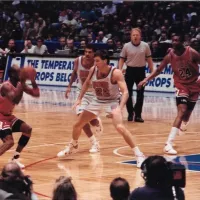
Basketball is a team sport played on a rectangular court...
Coca-Cola is a globally recognized cola soft drink produced by...
Buzz Aldrin is an American former astronaut engineer and fighter...
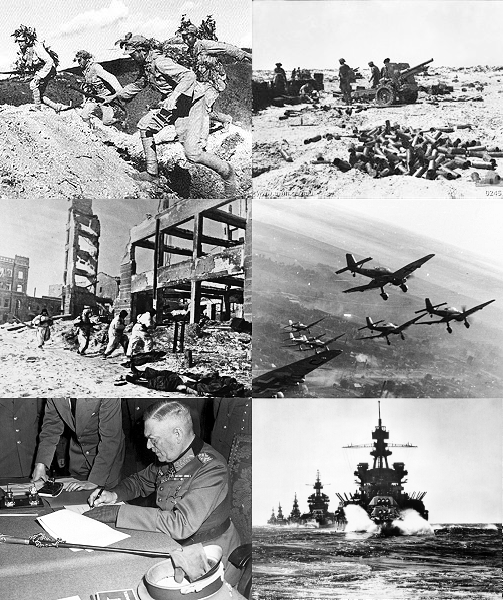
World War II - was a global conflict between the...
The New York Times NYT based in Manhattan NYC is...
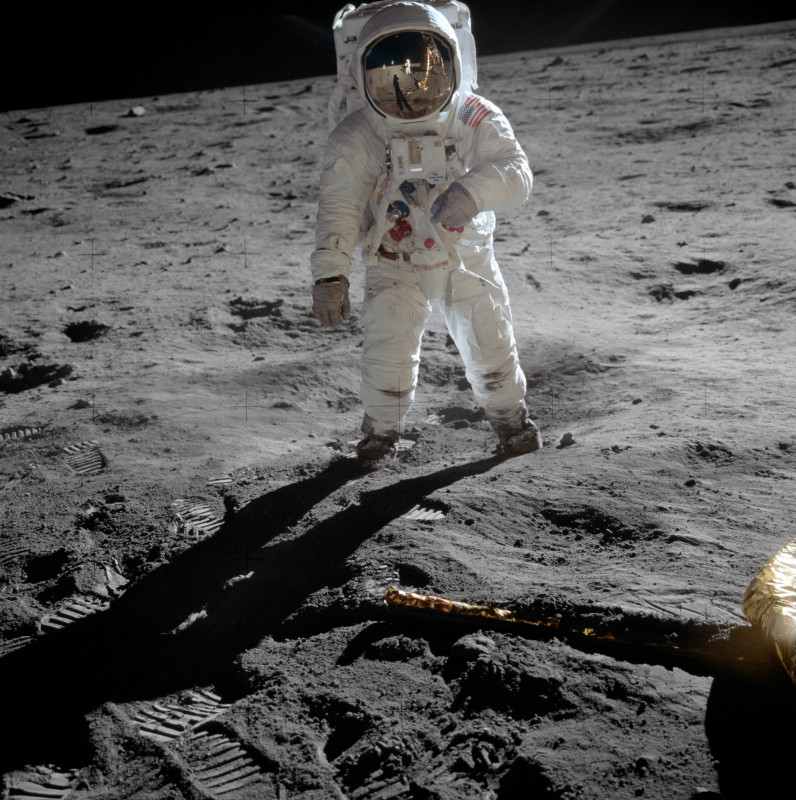
Apollo was a U S spaceflight launched by NASA from...
Trending
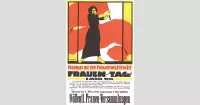
15 minutes ago Celebrating International Women's Day 2026: Empowerment, Museums, and Giving Back

15 minutes ago Golden Knights and Capitals Discuss Possible Nic Dowd Trade to Vegas.

15 minutes ago Britney Spears Arrested for DUI in California: Details

15 minutes ago Tyriq Withers shines in 'Reminders of Him' film adaptation of Hoover's novel.
16 minutes ago Shivam Dube: India's clutch performer in T20 World Cup, likened to Yuvraj Singh and Dhoni.
1 hour ago Denison, Hornets, and Trine advance to NCAA Women's Basketball Tournament: Regional Preview.
Popular

Ken Paxton is an American politician and lawyer serving as...
Hillary Diane Rodham Clinton is a prominent American politician lawyer...
Jesse Jackson is an American civil rights activist politician and...

Jim Carrey is a Canadian-American actor and comedian celebrated for...

Bill Clinton served as the nd U S President from...
XXXTentacion born Jahseh Dwayne Ricardo Onfroy was a controversial yet...