History of Donald Trump and American football in Timeline


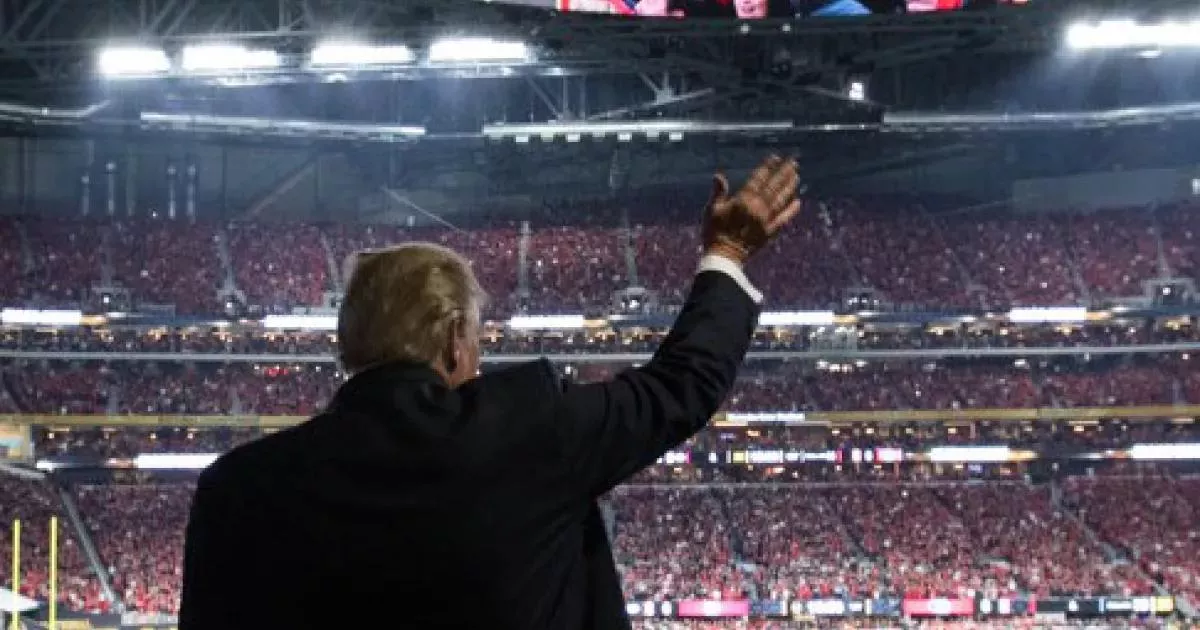
Donald Trump, throughout his career as a businessman and politician, has had a tumultuous and often strained relationship with the National Football League (NFL). Since the 1980s, this complex relationship has been characterized by various conflicts and disagreements, earning it the label of "The Pigskin War" by some commentators. Trump's interactions with the NFL have been described as a "vendetta" by some, highlighting the deeply rooted tensions between the former president and the league.
1981: Trump's First Attempt to Buy an NFL Team
Donald Trump made his first attempt to purchase an NFL team in 1981 when he offered $50 million for the Baltimore Colts. Despite initially denying involvement, multiple sources confirm his participation in the bid, which was ultimately rejected by owner Robert Irsay.


1982: USFL Formation and Trump's Initial Interest
With the formation of the USFL in 1982, Donald Trump expressed interest in owning the league's New York franchise. However, he declined the opportunity, and the New Jersey Generals were awarded to Oklahoma businessman J. Walter Duncan.
1983: Trump's Second Attempt to Purchase the Colts
Donald Trump expressed interest in buying the Baltimore Colts again in 1983, but owner Robert Irsay, who was considering relocating the team, informed Trump through an intermediary that it was "a waste of time."
1983: Trump Purchases the New Jersey Generals
Following a disappointing inaugural season and owner J. Walter Duncan's desire to sell, Donald Trump purchased the New Jersey Generals for a price between $5 million and $10 million.
March 1984: Trump and Rozelle's Meeting
During the USFL antitrust trial, Trump claimed that in March 1984, NFL commissioner Pete Rozelle offered him an NFL franchise to dissuade him from moving the USFL to the fall. Rozelle denied this, stating Trump wanted an expansion team to sell the Generals.
March 1984: Colts Relocate to Indianapolis
In March 1984, Robert Irsay relocated the Baltimore Colts to Indianapolis, ending Donald Trump's hopes of acquiring the team. The team became known as the Indianapolis Colts.
July 1984: Trump Advocates for USFL's Move to Fall
In July 1984, Trump expressed his opposition to the USFL's spring schedule and advocated for a move to fall to compete directly with the NFL. He believed this would increase the league's value or lead to a merger.
1984: Trump Restructures the Generals
Before the 1984 USFL season, Donald Trump made significant changes to the New Jersey Generals, bringing in a new head coach, Walt Michaels, and signing notable players like Gary Barbaro and Brian Sipe to improve the team's performance.
1984: Trump Declines to Buy the Dallas Cowboys
In 1984, Donald Trump considered buying the Dallas Cowboys for $50 million but ultimately decided against it. He felt the team's history and potential struggles made it a "no-win situation" and saw more potential return on investment in the USFL.
April 1985: Trump Seeks Reimbursement for Flutie Signing
In April 1985, Donald Trump, using the alias John Barron, revealed to the United Press International that he had signed Doug Flutie under an agreement with other team owners for partial reimbursement. He argued that signing Flutie was for the league's benefit but not financially sound for one team.
1986: Irsay Testifies about Trump's Colts Purchase Attempt
During a 1986 court case, Baltimore Colts owner Robert Irsay revealed that he had informed Donald Trump in 1983 that attempting to purchase the team was futile, as other groups were also interested.
1986: NFL Commissioner Confirms Trump's Attempt to Buy the Colts
In 1986, NFL Commissioner Pete Rozelle confirmed that Donald Trump had previously attempted to purchase the Baltimore Colts, contradicting Trump's denial of involvement. Trump claimed Rozelle had tried to persuade him to buy the team.
1986: USFL Owners Vote to Move to Fall Season
In 1986, despite opposition from some executives, the USFL team owners voted 12-2 in favor of moving the league to the fall season. This decision was a pivotal moment in the USFL's history, as it put them in direct competition with the NFL.
1986: USFL Wins Lawsuit, but Folds
The USFL won the antitrust lawsuit against the NFL in 1986 but was awarded only $3 in damages. The league chose to appeal but folded before a resolution, marking the end of the USFL.
February 16, 1988: Trump Explores New England Patriots Purchase
On February 16, 1988, Billy Sullivan, the owner of the New England Patriots, announced that Trump was in talks to purchase the team. Trump ultimately withdrew from the negotiations, citing concerns about the team's debt.
October 1988: Trump Shows Renewed Interest in the Cowboys
In October 1988, The Boston Globe reported that Donald Trump had once again expressed interest in purchasing the Dallas Cowboys, with rumors circulating that former Cowboys player Roger Staubach might be involved in the potential deal.
1989: Jerry Jones Acquires the Cowboys
Jerry Jones purchased the Dallas Cowboys in 1989, ending Donald Trump's aspirations of owning the franchise.
2009: "Small Potatoes: Who Killed the USFL?" Documentary Released
ESPN's "30 for 30" documentary "Small Potatoes: Who Killed the USFL?" premiered in 2009, examining the USFL's demise and featuring interviews with key figures, including Trump.
2011: Start of Period When Trump Allegedly Inflated Net Worth
2011 marked the beginning of a three-year period (2011-2013) during which Michael Cohen alleged that Trump inflated his net worth. This period is significant because the financial information from these years was presented to Deutsche Bank, raising concerns about potential financial impropriety.
2013: End of Period When Trump Allegedly Inflated Net Worth
2013 marked the end of the three-year period (2011-2013) during which Michael Cohen alleged that Trump inflated his net worth. Notably, in the documents presented to Deutsche Bank, Trump's net worth nearly doubled to $8.6 billion in the third year (2013), with a significant portion attributed to "brand value", a term not clearly defined in the documents.
March 2014: Trump Attempts to Purchase Buffalo Bills
Following the death of Buffalo Bills owner Ralph Wilson in March 2014, Trump made a bid to purchase the team, promising to keep them in Buffalo.
June 2014: Trump Makes Non-Binding Offer for Buffalo Bills
In June 2014, Donald Trump made a non-binding offer to purchase the Buffalo Bills, but ultimately did not submit a final binding offer by the September 2014 deadline.
September 2014: Deadline Passes for Final Bids on Buffalo Bills
The deadline for final bids on the Buffalo Bills passed in September 2014, with Donald Trump failing to submit a final binding offer despite earlier public statements suggesting he had.
October 10, 2014: Terry Pegula Announced as New Owner of Buffalo Bills
On October 10, 2014, the Buffalo Bills held a press conference to announce Terry Pegula, a businessman in the natural gas industry and owner of the National Hockey League's Buffalo Sabres, as the new owner of the team after placing a winning bid of $1.4 billion.
2014: Trump "Blackballed" from NFL Ownership (Washington Post)
A 2014 article in The Washington Post alleged that, following the USFL lawsuit, Trump was effectively prevented from owning an NFL team.
2014: Trump Allegedly Inflates Net Worth to Secure Loan for Bills Bid
In 2014, Donald Trump allegedly inflated his net worth to secure a loan from Deutsche Bank to support his bid for the Buffalo Bills. This allegation, based on Michael Cohen's testimony and supporting documents, suggested financial manipulation for personal gain.
2014: Possible Link Between Failed Bills Bid and Trump's Criticism of the NFL
Trump's inability to purchase the Buffalo Bills in 2014 is suggested as a potential factor contributing to his subsequent criticism of the NFL. Some team owners reportedly believed Trump harbored resentment towards the league due to his failed bid, influencing his negative commentary and actions.
September 2015: Trump Discusses Failed Bid for Buffalo Bills in Sports Illustrated Interview
In a September 2015 interview with Sports Illustrated, Donald Trump discussed his failed bid to purchase the Buffalo Bills, stating that he believed Terry Pegula had acquired the team for a lower price than reported and suggesting that his own focus on his presidential campaign took precedence over the acquisition.
April 2016: Trump Downplays Interest in Buffalo Bills Bid, Citing Presidential Aspirations
In April 2016, shortly before the New York Republican presidential primary, Trump downplayed his interest in his previous bid for the Buffalo Bills, stating that his pursuit of the team was "half-hearted" and that his focus was on his presidential campaign.
August 2016: Colin Kaepernick Initiates National Anthem Protests in the NFL
In August 2016, Colin Kaepernick, then quarterback for the San Francisco 49ers, began kneeling during the national anthem before NFL games. This act of protest, aimed at raising awareness about racial injustice and police brutality in the United States, ignited a national debate and sparked similar demonstrations from other athletes across various sports.
September 22, 2017: Trump Criticizes NFL Protests, Calls for Boycott and Player Firings
During a rally on September 22, 2017, Donald Trump publicly criticized NFL players protesting during the national anthem. He called for team owners to fire protesting players and urged fans to boycott the league, escalating tensions surrounding the protests and sparking accusations of racism.
October 2017: NFL Owners Criticize Trump's Comments, Pence Stages Protest Walkout
In October 2017, NFL team owners held a meeting where they discussed Trump's critical comments about player protests. Several owners, including Robert Kraft of the New England Patriots, publicly criticized Trump's divisive rhetoric. Additionally, Vice President Mike Pence made a highly publicized exit from an NFL game after players knelt during the anthem, a move widely seen as politically motivated.
2017: Trump's Sustained Criticism of the NFL and Its Players' Protests
Throughout 2017, Donald Trump sustained his criticism of the NFL and players protesting during the national anthem. His relentless commentary, including numerous tweets targeting the league, fueled the controversy and further politicized the issue, transforming it into a major cultural flashpoint.
June 2018: Trump Disinvites Philadelphia Eagles from White House Visit
In June 2018, Donald Trump rescinded an invitation for the Super Bowl champion Philadelphia Eagles to visit the White House, a customary honor for championship sports teams. The disinvitation came after several Eagles players announced their intention to boycott the event in protest against Trump's policies and rhetoric, escalating tensions between the White House and the NFL.
2018: Business Insider Article on Trump's Bills Bid
A 2018 Business Insider article analyzed Trump's efforts to purchase the Buffalo Bills, highlighting his tactics to undermine Jon Bon Jovi's bid, but questioning their effectiveness.
2018: Cowboys Become Most Valuable Sports Team
By 2018, the Dallas Cowboys became the most valuable sports team according to Forbes, with a valuation of around $5 billion, highlighting the missed opportunity for Donald Trump, who declined to purchase the team for $50 million in 1984.
2018: Trump Favors College over Professional Football
During his presidency in 2018, Donald Trump showed a preference for attending college football games, particularly in the Southern United States. This preference was attributed to his ongoing conflicts with professional sports leagues like the NFL and NBA.
2018: Trump Attends College Football Playoff National Championship in Atlanta
In 2018, President Trump attended the College Football Playoff National Championship game in Atlanta, a move interpreted by some as a calculated effort to court favor with his political base.
2018: Trump's Strained Relationship with the NFL
In 2018, articles and commentators highlighted the tense relationship between Donald Trump and the NFL, with some referring to it as a "feud" or "war." Trump's history with the league dates back to the 1980s.
2018: Trump's Relationship with College Football
In 2018, journalist Kevin Freking noted that Trump's presidency had less controversy with college football than professional sports, despite protests at events like the 2018 championship game. This contrasted with his tense relationships with athletes in the NFL and NBA, leading to speculation that Trump favored college-level athletics.
2018: Speculation Grows About Trump's Motivation for Targeting the NFL
In 2018, speculation intensified regarding Trump's motivations for continuously targeting the NFL. Sports journalist Adam Schefter reported for Business Insider that some NFL team owners believed Trump's actions stemmed from his failed bid to purchase the Buffalo Bills in 2014, suggesting a personal vendetta against the league.
2018: Jeff Pearlman's Book on the USFL
Jeff Pearlman's book "Football for a Buck: The Crazy Rise and Crazier Demise of the USFL," published in 2018, explores the history of the USFL and, like the ESPN documentary, suggests that Trump's involvement was detrimental to the league.
February 2019: Michael Cohen Testifies Trump Inflated Net Worth During Bills Bid
In February 2019, Michael Cohen, Trump's former attorney, testified before Congress, alleging that Trump had inflated his net worth in 2014 to secure a loan from Deutsche Bank for his bid to buy the Buffalo Bills. Cohen presented financial documents as evidence, claiming Trump inflated his assets to appear wealthier and gain financial advantage.
2019: Report Alleges Trump Did Not Submit Final Bid for Buffalo Bills
A 2019 article in the Toronto Sun reported that Donald Trump did not submit a final binding offer to purchase the Buffalo Bills by the September 2014 deadline, despite public statements to the contrary, citing sources from the NFL.
2019: Trump Attends LSU vs. Alabama Game and Army-Navy Game
In 2019, President Trump attended several high-profile college football games, including the LSU vs. Alabama game in Tuscaloosa, Alabama, and the Army-Navy game in Philadelphia. These appearances further highlighted his strategic use of sporting events to connect with specific segments of the American electorate.
2019: Trump's Continued "War" with the NFL
The strained relationship between Donald Trump and the NFL continued into 2019, with commentators describing it as an ongoing "war" fueled by Trump's personal vendetta against the league.
2020: Trump Attends College Football Playoff National Championship in New Orleans
Continuing his pattern of attending major college football games, President Trump was present at the 2020 College Football Playoff National Championship in New Orleans, further demonstrating his interest in leveraging the sport's popularity for political purposes.
2023: Inflation-Adjusted Value of Trump's 1981 Offer
As of 2023, the $50 million Donald Trump offered for the Baltimore Colts in 1981 is equivalent to $168 million, illustrating the significant inflation over time.
2023: Inflation-Adjusted Value of the Cowboys in 1984
In 2023, the $50 million asking price for the Dallas Cowboys in 1984 is equivalent to approximately $147 million.
2024: Trump Attends Rivalry Games in Iowa and South Carolina
As part of his 2024 presidential campaign strategy, Donald Trump attended prominent college football rivalry games in the early primary states of Iowa and South Carolina. These appearances, including the Iowa-Iowa State game and the Palmetto Bowl, underscore the enduring significance of college football in American politics.
Mentioned in this timeline
Donald John Trump is an American politician media personality and...
The White House located at Pennsylvania Avenue NW in Washington...
Bon Jovi formed in in New Jersey is an American...
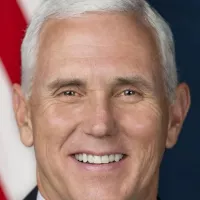
Michael Richard Pence is an American politician and lawyer He...
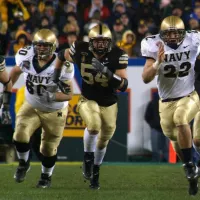
College football is a popular amateur sport in the United...

Sports Illustrated SI is an American sports magazine launched in...
Trending

3 hours ago Anne Hathaway Highlights Underrated 2023 Thriller and Announces Career Break
3 hours ago Yaxel Lendeborg Gains Momentum for Golden State Warriors Starting Lineup Spot

3 hours ago Iga ?wi?tek faces Magdalena Fr?ch in intense tennis showdown for round of 16 spot

4 hours ago Charlie McAvoy Returns to Boston Bruins Defense Lineup
4 hours ago Magdalena Frech Set to Challenge Iga Swiatek at WTA Wuhan Open

3 hours ago Maja Chwali?ska Competes Against Marie Bouzkova at WTA Wuhan Tournament
Popular

Ken Paxton is an American politician and lawyer serving as...
Ilhan Omar is a prominent American politician currently serving as...
Jameis Winston is an American football quarterback currently playing for...
Cristiano Ronaldo widely considered one of the greatest footballers captains...
Michael Joseph Jackson the King of Pop was a highly...

Elon Musk is a visionary entrepreneur and engineer known for...