Nelson Mandela's Success and Achievements in Timeline


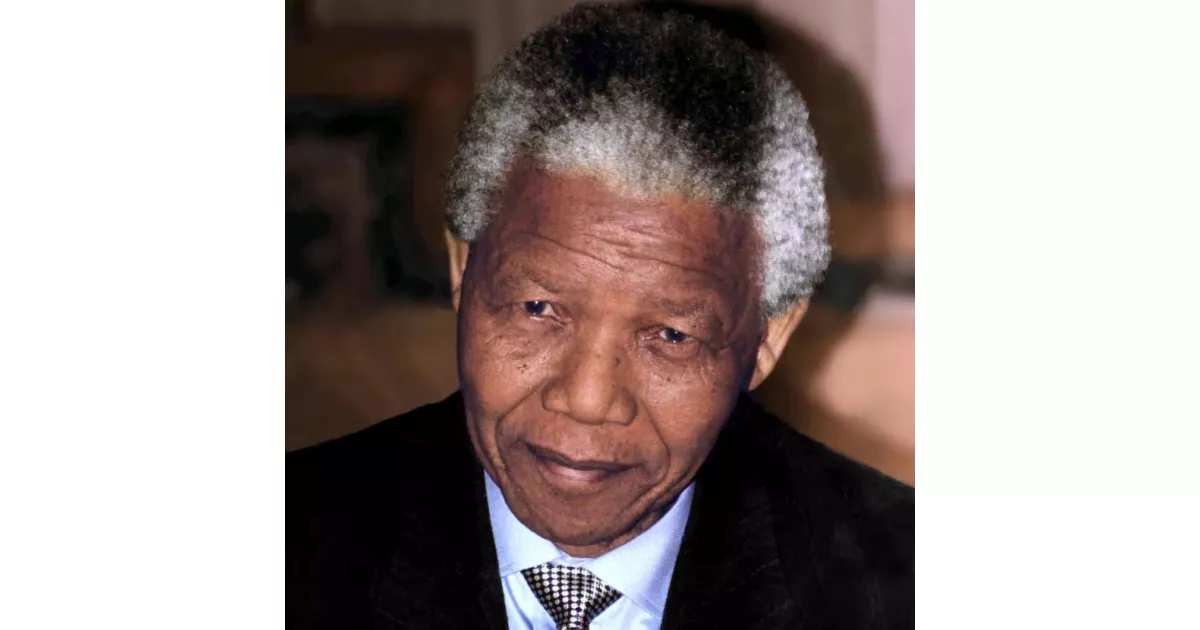
A closer look at the biggest achievements of Nelson Mandela. Awards, milestones, and records that define success.
Nelson Mandela was a pivotal South African anti-apartheid revolutionary, politician, and philanthropist. He served as South Africa's first Black president from 1994 to 1999, elected in the country's first fully representative democratic election. His presidency focused on dismantling apartheid's legacy, promoting racial reconciliation, and establishing a multiracial democracy. As a staunch African nationalist and socialist, he led the African National Congress (ANC) from 1991 to 1997, playing a crucial role in the transition from apartheid to a democratic society.
1952: Involvement in the Defiance Campaign
In 1952, Nelson Mandela rose to prominence for his involvement in the Defiance Campaign. This campaign was a significant act of resistance against apartheid.


March 1961: All-In African Conference
In March 1961, Mandela organised an All-In African Conference near Pietermaritzburg, Natal, at which 1,400 anti-apartheid delegates met. On 29 March 1961, the judges in Mandela's Treason Trial produced a verdict of not guilty.
1967: Improvement of Prison Conditions
From 1967 onwards, prison conditions at Robben Island improved, with black prisoners receiving trousers, permission for games, and better food.
1970: Change in Commanding Officer at Robben Island
In 1970, Commander Piet Badenhorst became commanding officer at Robben Island. After Mandela complained about abuse, Badenhorst was reassigned and replaced by Commander Willie Willemse, who improved prison standards.
1979: Awarded the Jawaharlal Nehru Award
In 1979, Nelson Mandela was awarded the Jawaharlal Nehru Award for International Understanding in India.
March 1980: "Free Mandela!" Campaign Begins
In March 1980, the slogan "Free Mandela!" was developed, sparking an international campaign that led the UN Security Council to call for his release.
1986: Mandela Characterized as "the embodiment of the struggle for liberation"
In 1986, Mandela's biographer characterized him as "the embodiment of the struggle for liberation" in South Africa. He was seen as a potent symbol of resistance to apartheid during the 1980s and gained mythical status internationally.
February 1990: Legalization of political parties and Mandela's Unconditional Release
In February 1990, de Klerk legalized all formerly banned political parties and announced Mandela's unconditional release.
May 1990: Mandela leads ANC negotiations
In May 1990, Nelson Mandela led a multiracial ANC delegation into preliminary negotiations with a government delegation. These negotiations led to the Groot Schuur Minute, in which the government lifted the state of emergency.
1990: Awarded the Bharat Ratna
In 1990, Nelson Mandela was awarded the Bharat Ratna by India, recognizing his political achievements.
1990: Release from Prison
In 1990, Nelson Mandela was released from prison after serving 27 years. His release was a result of growing domestic and international pressure and fear of civil war.
July 1993: Mandela and de Klerk visit the United States and receive the Liberty Medal
In July 1993, both Mandela and de Klerk visited the United States, independently meeting President Bill Clinton, and each receiving the Liberty Medal.
May 1994: Mandela elected as South Africa's first black chief executive
In May 1994, Mandela was formally elected as South Africa's first black chief executive. His inauguration took place in Pretoria on 10 May 1994, televised to a billion viewers globally. Mandela headed a Government of National Unity.
1994: First President of South Africa
In 1994, Nelson Mandela became the first president of South Africa. This marked a historic moment as he was the country's first Black head of state elected in a fully representative democratic election.
1994: Free Healthcare Introduced for Children and Pregnant Women
In 1994, free healthcare was introduced for children under six and pregnant women.
1995: Mandela promotes reconciliation through rugby
In 1995, as South Africa hosted the Rugby World Cup, Mandela encouraged black South Africans to support the national rugby team, the Springboks. He wore a Springbok shirt at the final against New Zealand, and after the Springboks won, Mandela presented the trophy to captain Francois Pienaar, an Afrikaner, an event widely seen as a major step in the reconciliation of white and black South Africans.
February 1996: Truth and Reconciliation Commission Dedicated
In February 1996, the Truth and Reconciliation Commission, chaired by Tutu, was dedicated to investigate crimes committed under apartheid by both the government and the ANC, granting amnesties in exchange for testimony.
1996: Free Healthcare Introduced
In 1996, free healthcare was introduced for all those using primary level public sector health care services.
1996: Land Reform Act Safeguards Rights of Labor Tenants
In 1996, the Land Reform Act 3 safeguarded the rights of labor tenants living on farms where they grew crops or grazed livestock, ensuring they could not be evicted without a court order or if they were over the age of 65.
1997: Welfare Spending Increased
In 1997, welfare spending increased by 13%.
October 1998: Truth and Reconciliation Commission Issues Final Report
In October 1998, the Truth and Reconciliation Commission issued its final report after two years of hearings detailing rapes, torture, bombings, and assassinations. De Klerk and Mbeki appealed to have parts of the report suppressed, though only de Klerk's appeal was successful.
1998: Welfare Spending Increased
In 1998, welfare spending increased by 7%.
1999: ANC Boasts Policy Successes
By the 1999 election, the ANC boasted that due to their policies, 3 million people were connected to telephone lines, 1.5 million children were brought into the education system, 500 clinics were upgraded or constructed, 2 million people were connected to the electricity grid, water access was extended to 3 million people, and 750,000 houses were constructed, housing nearly 3 million people.
1999: Acceptance of the Atatürk Peace Award
In 1999, Nelson Mandela accepted the Atatürk Peace Award from Turkey, after initially refusing it in 1992 due to concerns about human rights violations.
2004: Johannesburg grants Mandela the Freedom of the City
In 2004, Johannesburg granted Nelson Mandela the Freedom of the City, honoring his contributions.
2004: Successful Campaign for 2010 FIFA World Cup
In 2004, Mandela successfully campaigned for South Africa to host the 2010 FIFA World Cup.
2015: UN Names Amended Rules for Treatment of Prisoners as "the Mandela Rules"
In 2015, the UN General Assembly named the amended Standard Minimum Rules for the Treatment of Prisoners as "the Mandela Rules" to honor Nelson Mandela's legacy.
Mentioned in this timeline
Bill Clinton served as the nd U S President from...
George W Bush the rd U S President - is...
Elizabeth II reigned as Queen of the United Kingdom and...
The United States of America is a federal republic primarily...
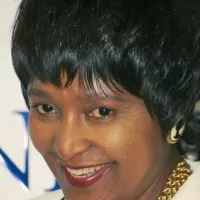
Winnie Madikizela-Mandela was a prominent South African anti-apartheid activist and...
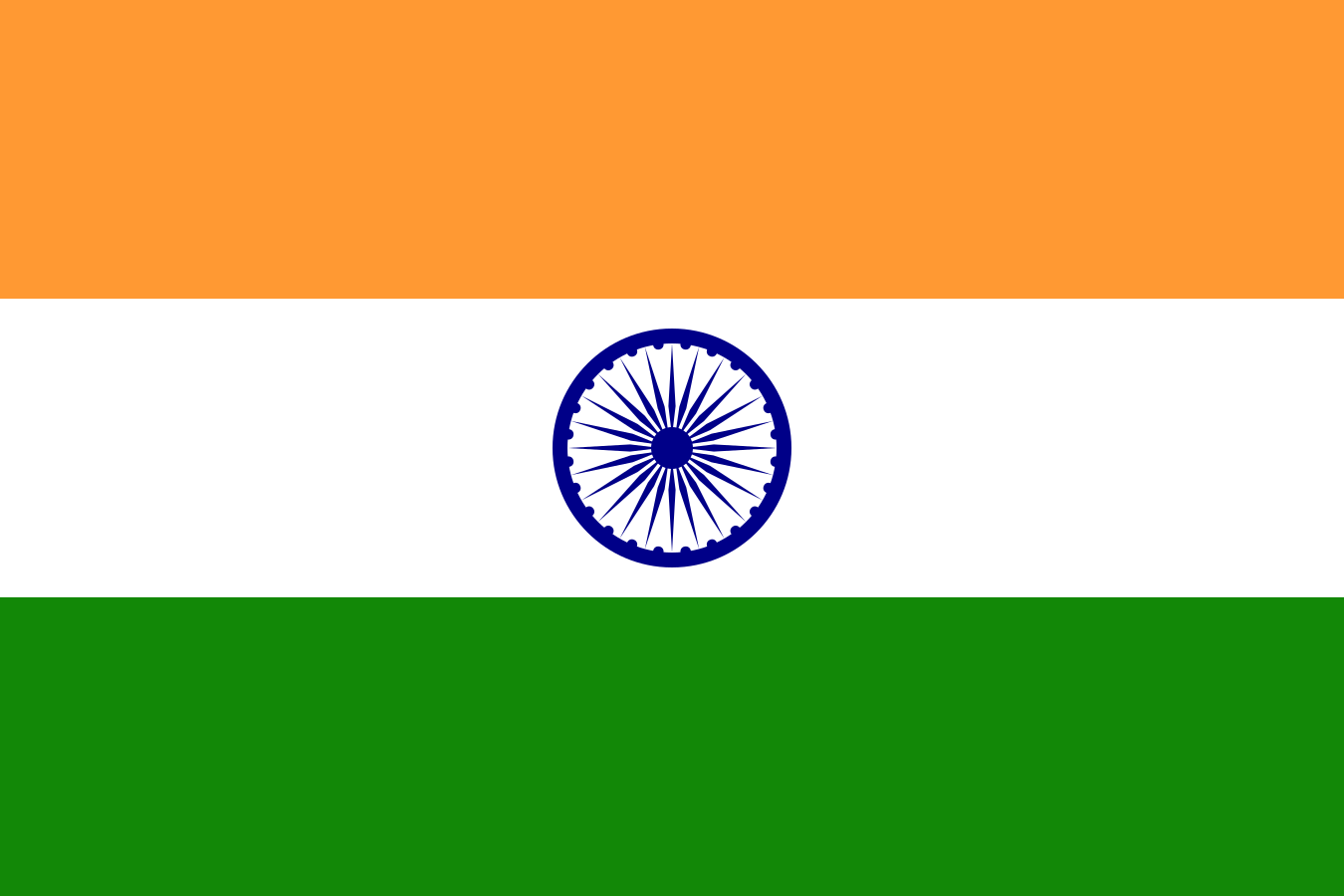
India officially the Republic of India is a South Asian...
Trending
4 hours ago TSA Scales Back Recent Airport Gate Pass Program Benefits Amid Operational Adjustments
4 hours ago Pat Freiermuth Questionable for Steelers vs Buccaneers Due to Calf Injury
4 hours ago Quinshon Judkins Questionable for Week 6 Against Ravens Due to Ankle Injury
4 hours ago Rafael Jódar Reaches Historic ATP Masters 1000 Final in Shanghai

4 hours ago Waymo Announces Plans to Launch First Canadian Robotaxi Service in Toronto by 2028
5 hours ago Robin Williams Legacy and Behind the Scenes Stories Rediscovered
Popular

Ilhan Omar is a prominent American politician currently serving as...

Ken Paxton is an American politician and lawyer serving as...

Elon Musk is a visionary entrepreneur and engineer known for...

Michael Joseph Jackson the King of Pop was a highly...
Jameis Winston is an American football quarterback currently playing for...
Cristiano Ronaldo widely considered one of the greatest footballers captains...