Childhood and Education Journey of Walter Cronkite in Timeline


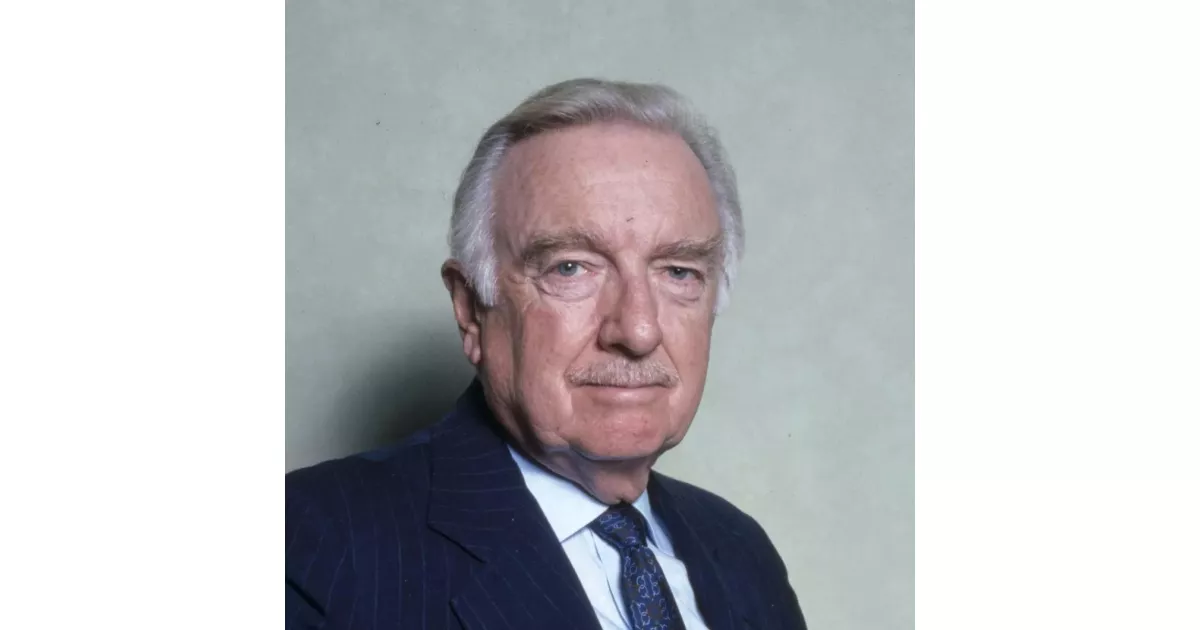
How education and upbringing influenced the life of Walter Cronkite. A timeline of key moments.
Walter Cronkite was a highly respected American broadcast journalist, best known as the anchorman for the CBS Evening News from 1962 to 1981. His tenure as anchor coincided with major historical events, including the Vietnam War, the moon landing, and the Watergate scandal. He earned the moniker "the most trusted man in America" due to his perceived objectivity and integrity. Cronkite's calm and authoritative presence made him a pivotal figure in American journalism, influencing public opinion and shaping the role of the news anchor. He received numerous awards for his contributions to journalism.


1933: Cronkite Enrolls in the University of Texas at Austin
In the fall of 1933, Walter Cronkite enrolled at the University of Texas at Austin, where he joined the Daily Texan newspaper and became a member of the Nu chapter of the Chi Phi fraternity.
1935: Cronkite Drops Out of College
In 1935, Walter Cronkite dropped out of the University of Texas to focus on journalism, following his initial performance in a play with Eli Wallach.
1935: Cronkite leaves college for journalism career
In 1935, Walter Cronkite left college during his junior year to pursue newspaper reporting jobs in news and sports.
1959: Racing in the 12 Hours of Sebring
In 1959, Walter Cronkite participated in the 12 Hours of Sebring sports car race.
July 23, 1962: Cronkite Participates in First Live Trans-Atlantic Broadcast
On July 23, 1962, Walter Cronkite was one of the main presenters in the first publicly transmitted live trans-Atlantic program via the Telstar satellite. The broadcast featured segments from New York, Washington D.C. and Cape Canaveral, as well as Europe.
November 22, 1963: Cronkite Covers Kennedy Assassination
On November 22, 1963, Walter Cronkite covered the assassination of John F. Kennedy, marking a key moment in his career and CBS's ascendancy in news coverage.
November 25, 1963: Cronkite's Commentary on Kennedy's Assassination
On November 25, 1963, Walter Cronkite delivered a somber commentary on the assassination of John F. Kennedy, reflecting on the tragedy and its implications for the nation and the world, questioning whether this event would lead to darker times or a new understanding, and emphasizing the need for national unity and dedication to American values.
June 6, 1964: Cronkite Interviews Eisenhower for D-Day Anniversary
On June 6, 1964, Walter Cronkite interviewed General of the Army Dwight D. Eisenhower at his former SHAEF headquarters for the CBS News Special Report D-Day + 20, commemorating the 20th anniversary of D-Day.
1968: Cronkite's Reaction to Violence at Democratic Convention
During the 1968 Democratic National Convention in Chicago, as Walter Cronkite anchored CBS's coverage, he reacted to the violence and protests occurring outside and inside the convention hall. Notably, he referred to security personnel as "thugs" after Dan Rather was punched on camera.
1972: Cronkite Participates in Nixon's Visit to China
In 1972, Walter Cronkite participated in Richard Nixon's visit to China. Being colorblind, he had to ask others about the color of First Lady Pat Nixon's coat upon their arrival in Peking (Beijing).
January 22, 1973: Cronkite Reports on Lyndon B. Johnson's Death
On January 22, 1973, during the CBS Evening News broadcast, Walter Cronkite broke the news of Lyndon B. Johnson's death after receiving a telephone call from Tom Johnson, the former press secretary for President Johnson. This occurred while a prerecorded report about the Vietnam peace talks was airing.
August 9, 1974: Nixon's Resignation
On August 9, 1974, President Richard M. Nixon resigned. Cronkite anchored the CBS coverage of Nixon's address announcing his impending resignation the night before.
March 6, 1981: Cronkite's Last Day as Anchor of CBS Evening News
On March 6, 1981, Walter Cronkite's last day in the anchor chair at the CBS Evening News. He was succeeded the following Monday by Dan Rather.
1996: Publication of "A Reporter's Life"
In 1996, Walter Cronkite's autobiography, "A Reporter's Life", was published with assistance from Don Carleton, the executive director for the Center for American History.
1998: Support for President Bill Clinton During Impeachment Trial
In 1998, Walter Cronkite supported President Bill Clinton during Clinton's impeachment trial.
May 21, 1999: Cronkite Participates in Media Integrity Panel
On May 21, 1999, Walter Cronkite participated in a panel discussion on "Integrity in the Media" with Ben Bradlee and Mike McCurry at the Connecticut Forum in Hartford, Connecticut. He shared an anecdote about a photograph he took from the wrong address.
September 11, 2001: Ham Radio's Response to 9/11
In reference to ham radio's response to the terrorist attacks on September 11, 2001, narrator Cronkite intoned that dozens of radio amateurs helped the police and fire departments and other emergency services maintain communications in New York, Pennsylvania and Washington, DC.
2002: Amateur Radio's role in disaster relief
In 2002, an American Radio Relay League documentary focused on ham radio's part in helping various agencies respond to wildfires in the Western US, ham radio in space and the role Amateur Radio plays in emergency communications.
2003: Involvement in Wind Farm Debate and Criticism of President Bush
In 2003, Walter Cronkite became involved in a debate over the construction of a wind farm on Martha's Vineyard, and he repeatedly condemned President George W. Bush and the 2003 invasion of Iraq in his column.
2003: Cronkite Recalls Reaction to Kennedy's Death Confirmation
In 2003, during a CBS special commemorating the 40th anniversary of John F. Kennedy's assassination, Walter Cronkite recounted his reaction upon receiving confirmation of Kennedy's death, sharing his emotions and thoughts from that pivotal moment.
2006: Cronkite Recalls Kennedy Assassination Coverage
In a 2006 TV interview with Nick Clooney, Walter Cronkite reminisced about his coverage of President Kennedy's assassination, sharing his memories and reflections on that historic event.
2007: CBS Special Honoring Cronkite's 90th Birthday
In 2007, CBS-TV aired a special honoring Walter Cronkite's 90th birthday, where the story of his January 22, 1973 broadcast reporting on the death of Lyndon B. Johnson was re-told.
2008: Cousin Kay Barnes' Nomination for Congress
In 2008, Walter Cronkite's cousin, Kay Barnes, was the Democratic nominee for Missouri's 6th congressional district.
2008: State-of-the-Art Journalism Complex Built in Cronkite's Honor
In 2008, a state-of-the-art journalism education complex was built in Walter Cronkite's honor at ASU's Downtown Phoenix campus.
June 2009: Reported to be Terminally Ill
In June 2009, it was reported that Walter Cronkite was terminally ill.
2009: Students Win Robert F. Kennedy Journalism Award
In 2009, students at the Walter Cronkite School of Journalism won the Robert F. Kennedy Journalism Award for college print reporting.
Mentioned in this timeline
Barack Obama the th U S President - was the...
John F Kennedy JFK was the th U S President...
Bill Clinton served as the nd U S President from...
George W Bush the rd U S President - is...
Walter Elias Disney was a highly influential American animator film...

Fox News Channel FNC is an American multinational conservative news...
Trending
3 hours ago Manny Machado Pursues World Series Glory Amidst Intense Fan Reactions and Playoff Challenges

4 hours ago WNBA Star Paige Bueckers Faces Taser During Teammate Arike Ogunbowale's Chaotic Arrest
4 hours ago Mary Peltola Faces Campaign Turmoil Amid Allegations of Workplace Misconduct

4 hours ago Fantasy Baseball Pitcher Rankings and Streamer Advice for Final Week

4 hours ago Daisy Ridley and Tom Bateman Share Insights Into Their Private Married Life

4 hours ago 2001 Arizona Diamondbacks World Series Champions Reunite at Chase Field
Popular

Jameis Winston is an American football quarterback currently playing for...

Shakira Isabel Mebarak Ripoll the Queen of Latin Music is...

Lane Kiffin is an American football coach with a notable...

Michael Joseph Jackson the King of Pop was a highly...

Ken Paxton is an American politician and lawyer serving as...

Kash Patel is an American lawyer who currently serves as...