


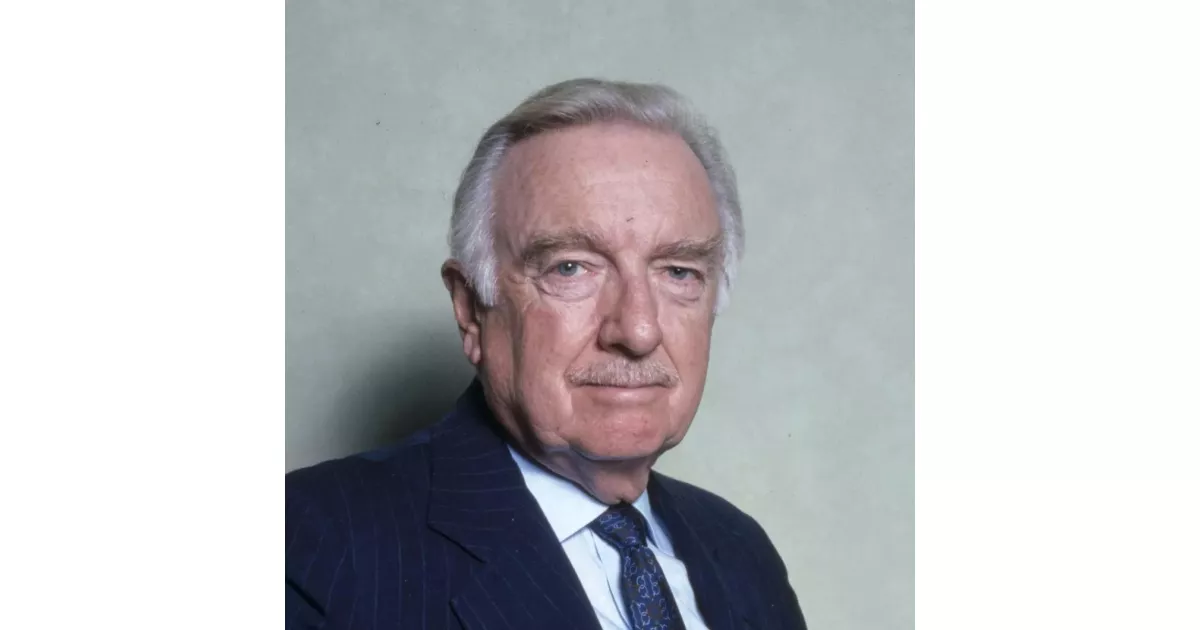
Walter Cronkite was a highly respected American broadcast journalist, best known as the anchorman for the CBS Evening News from 1962 to 1981. His tenure as anchor coincided with major historical events, including the Vietnam War, the moon landing, and the Watergate scandal. He earned the moniker "the most trusted man in America" due to his perceived objectivity and integrity. Cronkite's calm and authoritative presence made him a pivotal figure in American journalism, influencing public opinion and shaping the role of the news anchor. He received numerous awards for his contributions to journalism.


1933: Cronkite Enrolls in the University of Texas at Austin
In the fall of 1933, Walter Cronkite enrolled at the University of Texas at Austin, where he joined the Daily Texan newspaper and became a member of the Nu chapter of the Chi Phi fraternity.
1935: Cronkite Drops Out of College
In 1935, Walter Cronkite dropped out of the University of Texas to focus on journalism, following his initial performance in a play with Eli Wallach.
1935: Cronkite leaves college for journalism career
In 1935, Walter Cronkite left college during his junior year to pursue newspaper reporting jobs in news and sports.
1937: Cronkite Begins Reporting
In 1937, Walter Cronkite began his career reporting on various significant events including World War II bombings, the Nuremberg trials, and the Vietnam War.
1946: Cronkite becomes United Press main reporter in Moscow
In 1946, following his World War II coverage and the Nuremberg trials, Walter Cronkite became the United Press main reporter in Moscow.
1948: Cronkite ends term as United Press main reporter in Moscow
In 1948, Walter Cronkite concluded his role as the United Press main reporter in Moscow.
1950: Cronkite joins CBS News
In 1950, Walter Cronkite joined CBS News in its television division, recruited by Edward R. Murrow.
1951: Cronkite anchors Up to the Minute
From 1951, Walter Cronkite served as the anchor of the 15-minute late-Sunday-evening newscast, Up to the Minute, on CBS.
1952: Cronkite hosts Pick the Winner
During the 1952 presidential elections, Walter Cronkite hosted the CBS news-discussion series Pick the Winner.
1952: Cronkite Anchors Presidential Election Coverage
In 1952, Walter Cronkite anchored CBS's coverage of the presidential election, marking the first nationally televised convention coverage.
1953: Cronkite hosts You Are There
From 1953, Walter Cronkite hosted the CBS program You Are There, which reenacted historical events in the format of a news report.
1954: Cronkite hosts The Morning Show
In 1954, Walter Cronkite hosted The Morning Show on CBS, which included interviewing guests and interacting with a lion puppet named Charlemane.
1956: Cronkite hosts Pick the Winner
During the 1956 presidential elections, Walter Cronkite hosted the CBS news-discussion series Pick the Winner.
1957: Cronkite begins hosting The Twentieth Century
In 1957, Walter Cronkite began hosting The Twentieth Century, a documentary series about important historical events, later renamed The 20th Century.
1959: Racing in the 12 Hours of Sebring
In 1959, Walter Cronkite participated in the 12 Hours of Sebring sports car race.
1960: Cronkite broadcasts 1960 Winter Olympics
In 1960, Walter Cronkite was the lead broadcaster for CBS's coverage of the Winter Olympics, the first time the event was televised in the United States.
July 23, 1962: Cronkite Participates in First Live Trans-Atlantic Broadcast
On July 23, 1962, Walter Cronkite was one of the main presenters in the first publicly transmitted live trans-Atlantic program via the Telstar satellite. The broadcast featured segments from New York, Washington D.C. and Cape Canaveral, as well as Europe.
1962: Cronkite Anchors First Space Flight by John Glenn
In 1962, Walter Cronkite anchored the first space flight by John Glenn.
1962: Cronkite ends anchoring of Up to the Minute
In 1962, Walter Cronkite ended his role as anchor of the CBS newscast, Up to the Minute.
November 22, 1963: Cronkite Covers Kennedy Assassination
On November 22, 1963, Walter Cronkite covered the assassination of John F. Kennedy, marking a key moment in his career and CBS's ascendancy in news coverage.
November 25, 1963: Cronkite's Commentary on Kennedy's Assassination
On November 25, 1963, Walter Cronkite delivered a somber commentary on the assassination of John F. Kennedy, reflecting on the tragedy and its implications for the nation and the world, questioning whether this event would lead to darker times or a new understanding, and emphasizing the need for national unity and dedication to American values.
June 6, 1964: Cronkite Interviews Eisenhower for D-Day Anniversary
On June 6, 1964, Walter Cronkite interviewed General of the Army Dwight D. Eisenhower at his former SHAEF headquarters for the CBS News Special Report D-Day + 20, commemorating the 20th anniversary of D-Day.
1964: Cronkite Temporarily Replaced at Conventions
In 1964, Walter Cronkite was temporarily replaced by Robert Trout and Roger Mudd for the network's convention coverage, but he later returned to the anchor chair.
1967: The 20th Century Renamed The 21st Century
In 1967, The Twentieth Century was renamed The 21st Century, with Walter Cronkite hosting speculative reporting on the future.
February 1968: Cronkite Visits Vietnam After Tet Offensive
In February 1968, Walter Cronkite, along with Ernest Leiser, traveled to Vietnam to cover the aftermath of the Tet Offensive. During this visit, they dined with General Creighton Abrams, who expressed his belief that the war was unwinnable and that the U.S. should seek a dignified exit.
February 27, 1968: Cronkite's Editorial Report on Vietnam
On February 27, 1968, Walter Cronkite concluded his report, "Report from Vietnam: Who, What, When, Where, Why?", with an editorial report on the Vietnam War. The report was written by Ernest Leiser. The report followed Cronkite's journey to Vietnam after the Tet Offensive.
1968: Cronkite's Reaction to Violence at Democratic Convention
During the 1968 Democratic National Convention in Chicago, as Walter Cronkite anchored CBS's coverage, he reacted to the violence and protests occurring outside and inside the convention hall. Notably, he referred to security personnel as "thugs" after Dan Rather was punched on camera.
1968: Awarded Carr Van Anda Award
In 1968, the faculty of the E. W. Scripps School of Journalism at Ohio University voted to award Walter Cronkite the Carr Van Anda Award "for enduring contributions to journalism."
1970: Received George Polk Award and Paul White Award
In 1970, Walter Cronkite received a "Freedom of the Press" George Polk Award and the Paul White Award from the Radio Television Digital News Association.
1971: You Are There Revived with Cronkite as Host
In 1971, the show You Are There was revived and redesigned for a younger audience, with Walter Cronkite returning as the host.
1972: Awarded the James Madison Award for Distinguished Public Service
In 1972, Princeton University's American Whig-Cliosophic Society awarded Walter Cronkite the James Madison Award for Distinguished Public Service.
1972: Cronkite Participates in Nixon's Visit to China
In 1972, Walter Cronkite participated in Richard Nixon's visit to China. Being colorblind, he had to ask others about the color of First Lady Pat Nixon's coat upon their arrival in Peking (Beijing).
January 22, 1973: Cronkite Reports on Lyndon B. Johnson's Death
On January 22, 1973, during the CBS Evening News broadcast, Walter Cronkite broke the news of Lyndon B. Johnson's death after receiving a telephone call from Tom Johnson, the former press secretary for President Johnson. This occurred while a prerecorded report about the Vietnam peace talks was airing.
August 9, 1974: Nixon's Resignation
On August 9, 1974, President Richard M. Nixon resigned. Cronkite anchored the CBS coverage of Nixon's address announcing his impending resignation the night before.
1974: Cameo Appearance on The Mary Tyler Moore Show
In 1974, Walter Cronkite made a cameo appearance on an episode of "The Mary Tyler Moore Show", where he interacted with Lou Grant and Ted Baxter.
1977: Elected to American Antiquarian Society
In 1977, Walter Cronkite was elected to membership in the American Antiquarian Society.
1979: Christian's Interview on LBJ's Reaction to Cronkite's Editorial
In a 1979 interview, George Christian, Lyndon B. Johnson's aide, claimed he had no recollection about what the President had said regarding Cronkite's editorial on the Vietnam War.
March 6, 1981: Cronkite's Last Day as Anchor of CBS Evening News
On March 6, 1981, Walter Cronkite's last day in the anchor chair at the CBS Evening News. He was succeeded the following Monday by Dan Rather.
1981: Hosting Kennedy Center Honors
In 1981, Walter Cronkite began his long tenure hosting the Kennedy Center Honors.
1981: Cronkite Ends Reporting
In 1981, Walter Cronkite ended his active reporting career, having covered events ranging from World War II to the Iran hostage crisis.
1981: End of Cronkite's CBS News career
In 1981, Walter Cronkite's career with CBS News concluded, marking a significant milestone in his journalism career.
1981: Awarded Presidential Medal of Freedom
In 1981, former president Jimmy Carter awarded Walter Cronkite the Presidential Medal of Freedom. He also received the S. Roger Horchow Award and the Paul White Award.
1982: Cronkite Hosts Universe Until Cancellation
Walter Cronkite hosted Universe until its cancellation in 1982.
1983: Cronkite Reports on British General Election
In 1983, Walter Cronkite reported on the British general election for the ITV series World In Action, interviewing Margaret Thatcher and others.
1985: Cronkite Hosts Vienna New Year's Concert
From 1985 to 2008, Walter Cronkite hosted the annual Vienna New Year's Concert on PBS.
1985: Induction into Academy of Television Arts and Sciences Hall of Fame
In 1985, Walter Cronkite was honored with the induction into the Academy of Television Arts and Sciences Hall of Fame.
May 26, 1986: Cronkite Narrates Spaceship Earth Attraction
From May 26, 1986, to August 15, 1994, Walter Cronkite was the narrator's voice in the EPCOT Center attraction Spaceship Earth at Walt Disney World.
1989: Received Four Freedoms Award for the Freedom of Speech
In 1989 Walter Cronkite received the Four Freedoms Award for the Freedom of Speech.
1990: Minor Planet 6318 Cronkite Named
In 1990, Minor planet 6318 Cronkite, discovered by Eleanor Helin, was named in honor of Walter Cronkite.
1991: Hosting Dinosaur! on A&E
In 1991, Walter Cronkite hosted the TV documentary "Dinosaur!" on A&E.
1992: Interviewed for Beyond 'JFK': The Question of Conspiracy
In 1992, Walter Cronkite was interviewed for the documentary "Beyond 'JFK': The Question of Conspiracy".
1993: Cronkite Voices Captain Neweyes in Animated Film
In 1993, Walter Cronkite provided the voice of Captain Neweyes in the animated film We're Back: A Dinosaur's Story, delivering his trademark line at the end.
August 15, 1994: Cronkite Narrates Spaceship Earth Attraction
From May 26, 1986, to August 15, 1994, Walter Cronkite was the narrator's voice in the EPCOT Center attraction Spaceship Earth at Walt Disney World.
1994: Hosting Ape Man: The Story of Human Evolution
In 1994, Walter Cronkite hosted the TV documentary series "Ape Man: The Story of Human Evolution".
1994: Elected to American Philosophical Society
In 1994, Walter Cronkite was elected to the American Philosophical Society.
1995: Cronkite Appears on Broadway
In 1995, Walter Cronkite made an appearance on Broadway, providing the voice of the titular book in the revival of How to Succeed in Business Without Really Trying.
1995: Narrating the World Liberty Concert
In 1995, Walter Cronkite narrated the World Liberty Concert held in the Netherlands.
1995: Opening Synopsis for Apollo 13 Film
In 1995, Walter Cronkite provided the opening synopsis of the American Space Program leading to the events of Apollo 13 for the Ron Howard film of the same name.
1995: Received Ischia International Journalism Award
In 1995, Walter Cronkite received the Ischia International Journalism Award.
1995: Cronkite Modifies Script for Apollo 13 Film
In 1995, Walter Cronkite recorded voice-overs for the film Apollo 13, modifying the script to make it more "Cronkitian."
1996: Publication of "A Reporter's Life"
In 1996, Walter Cronkite's autobiography, "A Reporter's Life", was published with assistance from Don Carleton, the executive director for the Center for American History.
1996: Cronkite's Memoir on Johnson's Reaction
In his 1996 memoir, A Reporter's Life, Walter Cronkite stated that he was unsure about the impact of his editorial report on Johnson's decision to drop his bid for re-election, but was convinced by Bill Moyers, a journalist and former aide to Johnson, that the President had made a statement about it.
1998: Cronkite Anchors Second Space Flight by John Glenn
In 1998, Walter Cronkite anchored the second space flight by John Glenn, reprising his role from Glenn's first flight in 1962.
1998: Cronkite Hosts Silicon Valley Documentary
In 1998, Walter Cronkite hosted the 90-minute documentary, Silicon Valley: A 100 Year Renaissance, documenting the history of Silicon Valley. The documentary was broadcast on PBS.
1998: Support for President Bill Clinton During Impeachment Trial
In 1998, Walter Cronkite supported President Bill Clinton during Clinton's impeachment trial.
May 21, 1999: Cronkite Participates in Media Integrity Panel
On May 21, 1999, Walter Cronkite participated in a panel discussion on "Integrity in the Media" with Ben Bradlee and Mike McCurry at the Connecticut Forum in Hartford, Connecticut. He shared an anecdote about a photograph he took from the wrong address.
1999: Acceptance of Norman Cousins Global Governance Award
In 1999, Walter Cronkite accepted the Norman Cousins Global Governance Award at the United Nations ceremony.
1999: Received Rotary National Award for Space Achievement's Corona Award
In 1999, Walter Cronkite received the Rotary National Award for Space Achievement's Corona Award in recognition of a lifetime of achievement in space exploration.
2000: Advocating for Free Airtime During Elections
During the elections held in 2000, Walter Cronkite advocated for free airtime for political candidates, criticizing the campaign finance system.
2000: Appearance in Thirteen Days
In 2000, Walter Cronkite appeared in the film "Thirteen Days", reporting on the Cuban Missile Crisis.
September 11, 2001: Ham Radio's Response to 9/11
In reference to ham radio's response to the terrorist attacks on September 11, 2001, narrator Cronkite intoned that dozens of radio amateurs helped the police and fire departments and other emergency services maintain communications in New York, Pennsylvania and Washington, DC.
2001: Lobbying Effort for Campaign Finance Reform Act Amendment
In 2001, Walter Cronkite worked with the Alliance for Better Campaigns and Common Cause on an unsuccessful lobbying effort to add an amendment to the McCain-Feingold-Shays-Meehan Campaign Finance Reform Act that would have required TV broadcast companies to provide free airtime to candidates.
2002: Cronkite Hosts Kennedy Center Honors
In 2002, Walter Cronkite hosted the Kennedy Center Honors.
2002: Cronkite Voices Benjamin Franklin in Liberty's Kids
In 2002, Walter Cronkite was the voice of Benjamin Franklin in the educational television cartoon Liberty's Kids. He included a news segment ending with the same phrase he did back on the CBS Evening News.
2002: Amateur Radio's role in disaster relief
In 2002, an American Radio Relay League documentary focused on ham radio's part in helping various agencies respond to wildfires in the Western US, ham radio in space and the role Amateur Radio plays in emergency communications.
2003: Involvement in Wind Farm Debate and Criticism of President Bush
In 2003, Walter Cronkite became involved in a debate over the construction of a wind farm on Martha's Vineyard, and he repeatedly condemned President George W. Bush and the 2003 invasion of Iraq in his column.
2003: Elected Fellow of the American Academy of Arts and Sciences
In 2003, Walter Cronkite was elected a Fellow of the American Academy of Arts and Sciences.
2003: Cronkite Nominated for Daytime Emmy for Liberty's Kids
In 2003, Walter Cronkite was nominated for a Daytime Emmy for Outstanding Performer in a Children's Series for his role in Liberty's Kids, but did not win.
2003: Cronkite Narrates Documentary on Amateur Radio
In 2003, Walter Cronkite, an amateur radio operator, narrated an American Radio Relay League documentary explaining amateur radio's role in disaster relief.
2003: Cronkite Recalls Reaction to Kennedy's Death Confirmation
In 2003, during a CBS special commemorating the 40th anniversary of John F. Kennedy's assassination, Walter Cronkite recounted his reaction upon receiving confirmation of Kennedy's death, sharing his emotions and thoughts from that pivotal moment.
2004: Appearance in Outfoxed
In 2004, Walter Cronkite appeared in the Robert Greenwald film "Outfoxed," where he commented on the unethical and overtly political practices at the Fox News channel.
2004: Cronkite Nominated for Daytime Emmy for Liberty's Kids
In 2004, Walter Cronkite was nominated for a Daytime Emmy for Outstanding Performer in a Children's Series for his role in Liberty's Kids, but he did not win.
2004: Cronkite Appears in Disney World Attraction
Prior to 2004, Walter Cronkite appeared in the opening movie "Back to Neverland" at Walt Disney World's The Magic of Disney Animation, interviewing Robin Williams and using his famous catchphrase.
March 15, 2005: Death of Mary Elizabeth 'Betsy' Maxwell Cronkite
On March 15, 2005, Walter Cronkite's wife, Mary Elizabeth 'Betsy' Maxwell Cronkite, died from cancer after nearly 65 years of marriage.
April 2005: Premiere of WCC Chatham Radio Documentary
In April 2005, the documentary "WCC Chatham Radio," for which Walter Cronkite provided narration, premiered at the Chatham Marconi Maritime Center.
2005: Appearance in The American Ruling Class
In 2005, Walter Cronkite appeared briefly in the dramatic documentary "The American Ruling Class".
2005: Contributing to The Huffington Post
In 2005, Walter Cronkite contributed to The Huffington Post.
March 1, 2006: Received NASA's Ambassador of Exploration Award
On March 1, 2006, Walter Cronkite became the first non-astronaut to receive NASA's Ambassador of Exploration Award.
July 2006: Walter Cronkite: Witness to History Aired on PBS
In July 2006, the 90-minute documentary "Walter Cronkite: Witness to History" aired on PBS, narrated by Katie Couric.
September 5, 2006: Cronkite's Voiceover Introduction to Couric's CBS Evening News
On September 5, 2006, Walter Cronkite provided the voiceover introduction to Katie Couric's "CBS Evening News."
September 2006: Katie Couric Assumes CBS Evening News Anchor Chair
In September 2006, Katie Couric assumed the anchor chair at "CBS Evening News."
November 11, 2006: Hosting World War One Living History Project
On November 11, 2006, Cronkite hosted the "World War One Living History Project," which honored the remaining veterans of World War I. The program aired on NPR.
2006: PBS Documentary on Cronkite
According to the 2006 PBS documentary on Cronkite, there was 'nothing new' in his reports on the Watergate affair; however, Cronkite brought together a wide range of reporting, and his credibility and status is credited by many with pushing the Watergate story to the forefront with the American public.
2006: Presenting Walter Cronkite Faith and Freedom Award
In 2006, Walter Cronkite presented the Walter Cronkite Faith and Freedom Award to George Clooney at The Interfaith Alliance annual dinner in New York.
2006: Cronkite Recalls Kennedy Assassination Coverage
In a 2006 TV interview with Nick Clooney, Walter Cronkite reminisced about his coverage of President Kennedy's assassination, sharing his memories and reflections on that historic event.
2007: CBS Special Honoring Cronkite's 90th Birthday
In 2007, CBS-TV aired a special honoring Walter Cronkite's 90th birthday, where the story of his January 22, 1973 broadcast reporting on the death of Lyndon B. Johnson was re-told.
2008: Cronkite Hosts Vienna New Year's Concert
From 1985 to 2008, Walter Cronkite hosted the annual Vienna New Year's Concert on PBS.
2008: Cousin Kay Barnes' Nomination for Congress
In 2008, Walter Cronkite's cousin, Kay Barnes, was the Democratic nominee for Missouri's 6th congressional district.
2008: State-of-the-Art Journalism Complex Built in Cronkite's Honor
In 2008, a state-of-the-art journalism education complex was built in Walter Cronkite's honor at ASU's Downtown Phoenix campus.
May 2009: Release of Legacy of War
In May 2009, "Legacy of War," a PBS production narrated by Walter Cronkite, was released. The documentary chronicled the events following World War II that led to America's rise as a dominant world power.
June 2009: Reported to be Terminally Ill
In June 2009, it was reported that Walter Cronkite was terminally ill.
September 9, 2009: Memorial Service at Lincoln Center
On September 9, 2009, a memorial service for Walter Cronkite was held at Lincoln Center in New York City, with eulogies from Presidents Barack Obama and Bill Clinton, as well as CBS executives and fellow journalists.
2009: Dating Joanna Simon
From 2005 to 2009, Walter Cronkite dated singer Joanna Simon.
2009: Andrews Succeeded Cronkite as Vienna Concert Host
In 2009, Julie Andrews succeeded Walter Cronkite as the host of the annual Vienna New Year's Concert on PBS.
2009: Students Win Robert F. Kennedy Journalism Award
In 2009, students at the Walter Cronkite School of Journalism won the Robert F. Kennedy Journalism Award for college print reporting.
November 4, 2013: Dedication of the Walter Cronkite Memorial
On November 4, 2013, Missouri Western State University dedicated the Walter Cronkite Memorial, a 6,000 square-foot space featuring images, videos, and memorabilia from Cronkite's life.
2014: Walter Cronkite Memorial Receives Spotlight Award
In 2014, the Walter Cronkite Memorial received the Missouri Division of Tourism's Spotlight Award, recognizing its significance and appeal.
2025: Equivalent salaries calculated
In 2025, it's calculated that CBS offered Cronkite $125 per week along with commercial fees for his reporting on air. UP countered with a raise of $17.50 per week, plus an extra $20 per week to stay.
Mentioned in this timeline
Barack Obama the th U S President - was the...
John F Kennedy JFK was the th U S President...
Bill Clinton served as the nd U S President from...
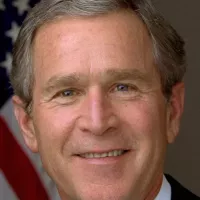
George W Bush the rd U S President - is...
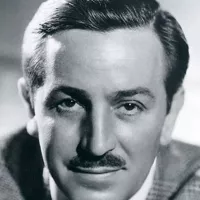
Walter Elias Disney was a highly influential American animator film...

Fox News Channel FNC is an American multinational conservative news...
Trending
4 hours ago Kyle MacLachlan Discusses Iconic Roles and New Memoir Fictional Selves

4 hours ago Two Missing Children Found Deceased in Daytona Beach Pond
4 hours ago Karrueche Tran Reacts to Unexpected Nickname from Deion Sanders' Grandson
4 hours ago Maduro-Linked Fugitive Arrested for Alleged Money Laundering and Bribery Scheme

2 days ago Ryan Reynolds' Private Texts Against Justin Baldoni Surface Amid Blake Lively Legal Battle
5 hours ago The New York Times Highlights Social Media Controversies and Personal Health Struggles
Popular

Ken Paxton is an American politician and lawyer serving as...

Jameis Winston is an American football quarterback currently playing for...

Cristiano Ronaldo widely considered one of the greatest footballers captains...

Michael Joseph Jackson the King of Pop was a highly...

Elon Musk is a visionary entrepreneur and engineer known for...

Bernie Sanders is a prominent American politician and the senior...