Career Timeline of Elon Musk: Major Achievements and Milestones


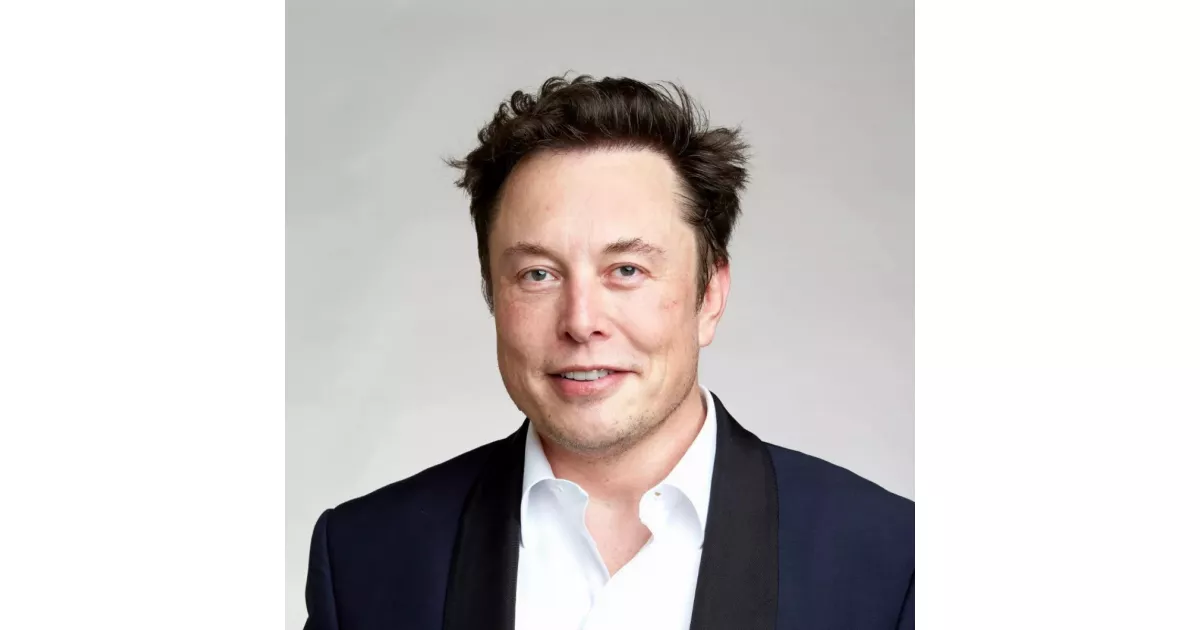
Discover the career path of Elon Musk, from the first major opportunity to industry-changing achievements.
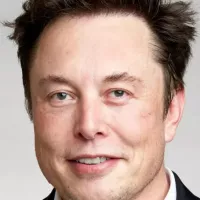
Elon Musk is a visionary entrepreneur and engineer known for his pivotal roles in revolutionizing the automotive and aerospace industries. As the CEO of Tesla, he has been instrumental in accelerating the global transition to electric vehicles and sustainable energy. Through SpaceX, he has disrupted the aerospace sector by developing reusable rocket technology and pursuing the ambitious goal of making humanity multi-planetary. Additionally, Musk has founded or led influential ventures such as Neuralink, focused on brain-computer interfaces, and The Boring Company, which aims to address urban congestion. His acquisition of the social media platform X (formerly Twitter) further underscores his significant, albeit controversial, influence on digital discourse. Musk is recognized for his high-risk, high-reward approach to engineering and his commitment to tackling complex global challenges through rapid technological innovation, positioning him as one of the most prominent and impactful figures in the modern tech landscape.
1983: Sale of Blastar
In 1983, at the age of twelve, Elon Musk sold his self-programmed, BASIC-based video game titled Blastar to the publication PC and Office Technology magazine for a sum of approximately $500.


1994: Internships at Silicon Valley Startups
In 1994, Elon Musk gained professional experience through two internships in Silicon Valley, working at Pinnacle Research Institute, which focused on electrolytic supercapacitors, and the startup Rocket Science Games.
1995: Completion of Studies
By 1995, Elon Musk finished his period of study at the University of Pennsylvania, during which he also engaged in entrepreneurial activities like hosting parties and drafting a business plan for a book-scanning service.
1995: Co-founding of Zip2
During 1995, Musk co-founded the web software company Zip2, marking one of his earliest significant business ventures.
1995: Stanford Enrollment and Career Transition
In 1995, Musk was accepted into a materials science graduate program at Stanford University but chose not to enroll, instead attempting to enter the burgeoning internet industry by applying to Netscape while facing subsequent questions regarding his legal work authorization in the United States.
February 1999: Compaq Acquisition of Zip2
In February 1999, the computer company Compaq acquired Zip2 for $307 million in cash, resulting in Elon Musk receiving $22 million for his 7-percent ownership stake in the company.
1999: Sale of Zip2 and Founding of X.com
Following the sale of Zip2 in 1999, Musk co-founded X.com, an e-commerce payment platform designed to facilitate digital transactions.
1999: Co-founding of X.com
In 1999, Elon Musk co-founded X.com, a pioneering online financial services and email payment startup that became one of the first federally insured online banks, attracting over 200,000 users in its first few months before Musk was replaced as CEO by Bill Harris.
March 2000: Merger forming PayPal
In March 2000, X.com merged with the company Confinity, resulting in the creation of the payment system known as PayPal.
2000: Musk Ousted from CEO Position
In 2000, Elon Musk was removed as CEO of his company by the board following internal disagreements over software preferences and a lack of a clear business model, with Peter Thiel taking over the leadership role.
2001: Engagement with Mars Society and Attempted ICBM Procurement
In 2001, Elon Musk joined the Mars Society to explore the possibility of sending plant growth chambers to Mars. To facilitate the launch, he traveled to Moscow twice in 2001 to attempt to purchase intercontinental ballistic missiles, though these efforts were unsuccessful, leading him to pivot toward building his own rockets.
2001: Rebranding to PayPal
In 2001, under the leadership of Peter Thiel, the company shifted its focus entirely to the PayPal service and underwent a formal name change to PayPal.
May 2002: Founding of SpaceX
In May 2002, using $100 million of his own fortune, Elon Musk founded Space Exploration Technologies Corp. (SpaceX), assuming the roles of CEO and Chief Engineer to focus on the production of affordable rockets.
2002: Founding of SpaceX
In 2002, Elon Musk established SpaceX, taking on the roles of CEO and chief engineer to pioneer advancements in reusable rockets and commercial spaceflight.
2002: eBay Acquisition and American Citizenship
In 2002, PayPal was acquired by eBay, and Musk achieved a personal milestone by becoming an American citizen.
2002: Acquisition of PayPal by eBay
In 2002, PayPal was sold to eBay in a stock deal valued at $1.5 billion, resulting in Elon Musk, as the largest shareholder, receiving approximately $175.8 million.
2004: Early Investment in Tesla
During 2004, Elon Musk joined Tesla as an early investor, marking the beginning of his involvement with the electric vehicle company.
2008: Tesla Leadership Role
In 2008, Musk assumed the positions of CEO and product architect at Tesla, helping drive the company's status as a leader in the electric vehicle industry.
2012: First Commercial Docking with the ISS
In 2012, the SpaceX Dragon vehicle successfully docked with the International Space Station, marking a historic achievement as the first time a commercial spacecraft had accomplished this feat.
2015: Co-founding of OpenAI
In 2015, Musk co-founded OpenAI with the mission of advancing artificial intelligence research, though he eventually departed due to strategic disagreements.
2016: Neuralink Founding
Elon Musk co-founded the neurotechnology firm Neuralink in 2016 to develop advanced brain-computer interface technologies.
2017: Founding of the Boring Company
In 2017, Musk founded the Boring Company to focus on infrastructure and tunneling solutions.
2022: Acquisition of Twitter
In 2022, Musk completed the acquisition of the social networking service Twitter, initiating a series of structural changes to the platform.
2024: 2024 U.S. Presidential Election Support
In 2024, Elon Musk acted as the largest individual donor during the U.S. presidential election, providing significant financial backing to the campaign of Donald Trump.
January 2025: Appointment to Trump Administration
Following Donald Trump's inauguration in January 2025, Elon Musk took on a dual role as a Senior Advisor to the President and the effective lead of the Department of Government Efficiency (DOGE).
May 2025: Departure from Government and Conflict with Trump
In May 2025, Musk stepped down from his positions within the Trump administration to resume focus on his private business ventures, which was followed by a public dispute with the President.
November 2025: Approval of Tesla Pay Package
In November 2025, Tesla authorized a significant compensation package for Musk valued at $1 trillion, payable over a decade contingent upon reaching specific market capitalization milestones.
July 10, 2026: Forbes Net Worth Estimate
As of July 10, 2026, Forbes estimated Elon Musk's net worth to be US$917 billion, reflecting his status as one of the wealthiest individuals in history.
2026: Establishment of xAI
In 2026, Musk established xAI as a new artificial intelligence venture, which subsequently became a subsidiary of SpaceX.
Mentioned in this timeline
Donald John Trump is an American politician media personality and...
Barack Obama the th U S President - was the...
Peter Thiel is a prominent American entrepreneur venture capitalist and...
Hillary Diane Rodham Clinton is a prominent American politician lawyer...
Joe Biden served as the th President of the United...
Starlink is a satellite internet constellation operated by Starlink Services...
Trending

5 hours ago Katie Boulter Family Background and Recent Tennis Circuit Updates
5 hours ago Violent Cost-of-Living Protests Erupt in Central Milan

5 hours ago Philippines Summons Chinese Envoy Over Alleged Threats and Diplomatic Tensions
5 hours ago Miomir Kecmanovic Wins Match Despite Racket Smashing Incident

5 hours ago Kevin Bacon Seeks Public Assistance to Locate Sentimental Missing FedEx Package
6 hours ago Quentin Tarantino Final Tenth Film Script Completed Before Pursuing Other Projects
Popular

Ilhan Omar is a prominent American politician currently serving as...

Ken Paxton is an American politician and lawyer serving as...
Elon Musk is a visionary entrepreneur and engineer known for...

Michael Joseph Jackson the King of Pop was a highly...

Cristiano Ronaldo widely considered one of the greatest footballers captains...

Jameis Winston is an American football quarterback currently playing for...