Rise to Success: Career Highlights of Bill Russell


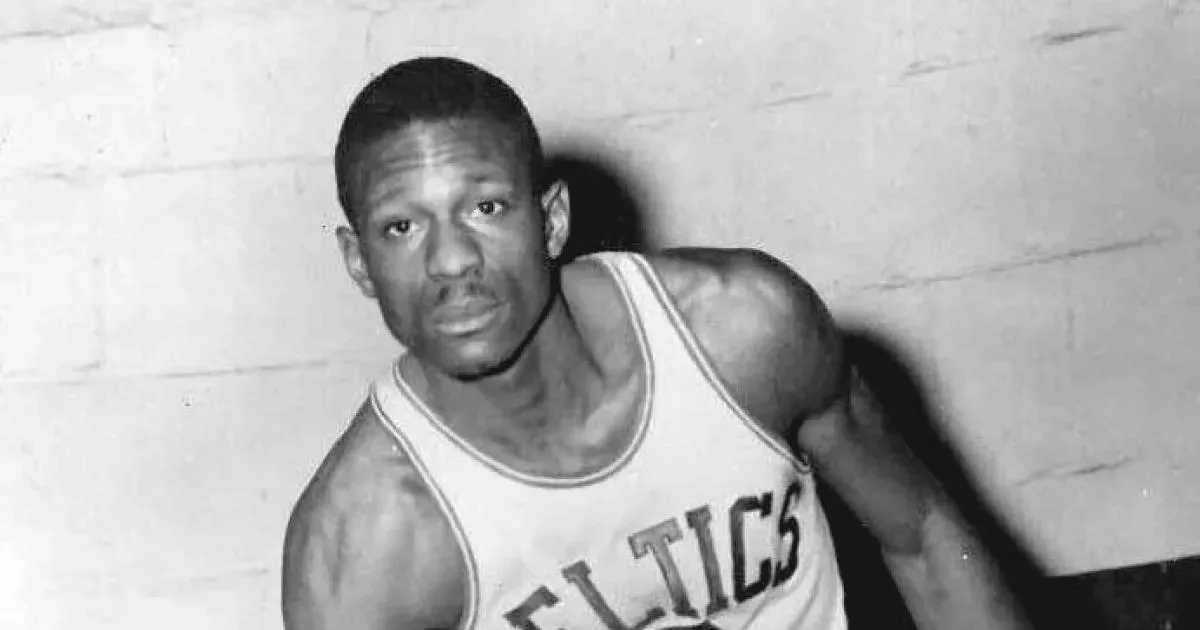
From career breakthroughs to professional milestones, explore how Bill Russell made an impact.
Bill Russell was a dominant center for the Boston Celtics (1956-1969), winning 11 NBA championships in 13 years. His leadership and defensive prowess anchored a Celtics dynasty. Widely considered one of basketball's greatest players, Russell's impact extended beyond statistics, influencing team play and inspiring generations.
1945: Goaltending Prohibition in Response to George Mikan
In 1945, the NCAA had previously prohibited goaltending in response to George Mikan.


1946: BAA Season
In the 1946-47 BAA season, the Celtics had their second-best record, marking an important milestone in the team's history.
December 1, 1953: Varsity Debut
On December 1, 1953, Bill Russell made his varsity debut for the University of San Francisco Dons.
1954: Three African-American Players Started
In 1954, the coach of a major college basketball program was the first to start three African-American players: K. C. Jones, Hal Perry, and Russell.
1955: NCAA Championship Win
In 1955, Bill Russell led USF to an NCAA championship and was named NCAA tournament MOP.
December 22, 1956: First Game for the Boston Celtics
On December 22, 1956, Bill Russell played his first game for the Boston Celtics against the St. Louis Hawks, showcasing his defensive prowess.
1956: End of USF career
From 1953 to 1956, Bill Russell played on USF's varsity team.
1956: NBA Career Start
In 1956, Bill Russell began his NBA career, playing center for the Boston Celtics.
1956: Second NCAA Championship Win
In 1956, Bill Russell led USF to a second NCAA championship.
1956: Regular Season Performance
In 1956, Bill Russell played 48 games, averaging 14.7 points and a league-high 19.6 rebounds per game, contributing significantly to the Celtics' strong season.
1956: NBA Draft and Trade to Celtics
In 1956, Bill Russell was drafted by the St. Louis Hawks and then traded to the Boston Celtics in exchange for Ed Macauley and Cliff Hagan, a trade later considered one of the most important in sports history. The Celtics also drafted K. C. Jones and Heinsohn.
1956: Track and Field Achievements
In 1956, Bill Russell was ranked the seventh-best high-jumper in the world, won high jump titles at multiple events, and tied Charlie Dumas, who later won gold at the Summer Olympics. He chose basketball over high jump at the Olympics that year.
1956: Russell wins NCAA championship and Olympic gold medal
In 1956, Bill Russell won the NCAA championship with USF and an Olympic gold medal, marking the start of his Triple Crown achievement.
1956: Russell Plays for the US Olympics team
In 1956, Bill Russell wore number 6 at the USF and for the U.S. Olympic team.
1956: Captain of the U.S. Olympic Basketball Team
In 1956, before his NBA rookie year, Bill Russell captained the U.S. men's Olympic basketball team at the Summer Olympics in Melbourne, Australia.
1957: Russell wins NBA title with Celtics
In 1957, Bill Russell won the NBA title with the Boston Celtics, completing the first part of his back-to-back NCAA and NBA championship wins.
1957: First NBA Championship
In 1957, the Celtics won their first NBA championship, defeating the St. Louis Hawks in a highly competitive Game 7, with Russell making a crucial block, known as the "Coleman Play", to preserve the lead.
1957: Strong Season Performance
In the 1957-58 NBA season, the Celtics started strong, winning fourteen straight games with Russell averaging 16.6 points and a league-record 22.7 rebounds per game. He was voted NBA Most Valuable Player.
1958: All-NBA Second Team selection
In 1958, Russell was selected for the All-NBA Second Team, recognizing his achievements during the season.
1958: NBA Finals Loss
In 1958, the Celtics lost to the St. Louis Hawks in the NBA Finals after Russell suffered a foot injury during the series.
1958: Strong Performance
In the 1958-59 NBA season, Russell averaged 16.7 points and 23.0 rebounds per game.
November 7, 1959: "The Big Collision"
On November 7, 1959, Russell's Celtics hosted Chamberlain's Warriors in a match called "The Big Collision" where Chamberlain outscored Russell, but the Celtics won the game.
1959: Start of Eight Consecutive Championships
From 1959 to 1966, with Bill Russell as a key player, the Boston Celtics won an NBA record eight consecutive championships.
1959: First NBA player to visit Africa
In 1959, Bill Russell became the first NBA player to visit Africa, marking a significant moment in the sport's international outreach.
1959: NBA MVP Award
In 1959, Russell won his first NBA MVP award, making it one of his five MVP awards in his career.
February 5, 1960: 51 Rebounds in a Game
On February 5, 1960, Russell had 23 points, 51 rebounds, and 5 assists in a 124–100 win over the Syracuse Nationals. This was the record for most rebounds in a single game at the time.
November 24, 1960: Chamberlain Breaks Rebound Record
On November 24, 1960, Wilt Chamberlain grabbed 55 rebounds against Russell, who led the Celtics to victory over the Philadelphia Warriors.
1960: All-NBA Second Team selection
In 1960, Russell was selected for the All-NBA Second Team, recognizing his achievements during the season.
1960: Regular Season Record
In the 1960-61 NBA season, Russell averaged 16.9 points and 23.9 rebounds per game, leading his team to a regular-season mark of 57–22.
1961: NBA MVP Award
In 1961, Russell won his second NBA MVP award, adding to his list of accolades.
1962: MVP Award and Finals Berth
In 1962, despite Wilt Chamberlain's record-breaking season, Russell was voted as the league's MVP, and the Celtics became the first team to win 60 games in a season, reaching the NBA Finals.
1962: NBA Finals Clutch Performance
In the 1962 NBA Finals, Russell recorded his first career triple-double in Game 6 and had a clutch performance in Game 7, scoring 30 points and grabbing 40 rebounds to lead the Celtics to victory.
January 31, 1963: Win against Cincinnati Royals
On January 31, 1963, Russell had an 18-point, 22-rebound performance in a 128–125 win against the Cincinnati Royals.
February 10, 1963: First Regular Season Triple-Double
On February 10, 1963, Russell recorded his first regular season triple-double with 17 points, 19 rebounds, and 10 assists in a win against the New York Knicks.
1963: NBA MVP Award
In 1963, Russell won his third NBA MVP award, adding to his list of accolades.
1964: All-NBA Second Team selection
In 1964, Russell was selected for the All-NBA Second Team, recognizing his achievements during the season.
1964: Regular Season
In the 1964-65 NBA season, the Celtics won a league-record 62 games with Russell averaging 14.1 points and 24.1 rebounds per game, winning his second consecutive rebounding title and his fifth MVP award.
March 11, 1965: 49 Rebounds Against Pistons
On March 11, 1965, Russell grabbed 49 rebounds in a 112–100 win over the Detroit Pistons, tying for the third-most in a single game in NBA history.
1965: NBA MVP and All-NBA First Team selections
In 1965, Russell was awarded his fifth NBA MVP award. He was also selected for the All-NBA First Team that same year.
1965: NBA Playoffs
In the 1965 NBA playoffs, Russell held Chamberlain to a pair of field goals in the first three quarters of Game 3 and had a strong performance in Game 5. The Celtics won the NBA Finals against the Los Angeles Lakers.
April 16, 1966: Russell Agrees to Coach Celtics
On April 16, 1966, Bill Russell agreed to become the head coach of the Boston Celtics. Two days later, this was publicly announced, making Russell the first black head coach in NBA history.
1966: Player-Coach for the Celtics
In 1966, Bill Russell became the player-coach for the Boston Celtics, marking a significant milestone as the first black NBA coach.
1966: Shoe Designed by Bristol Manufacturing Corporation
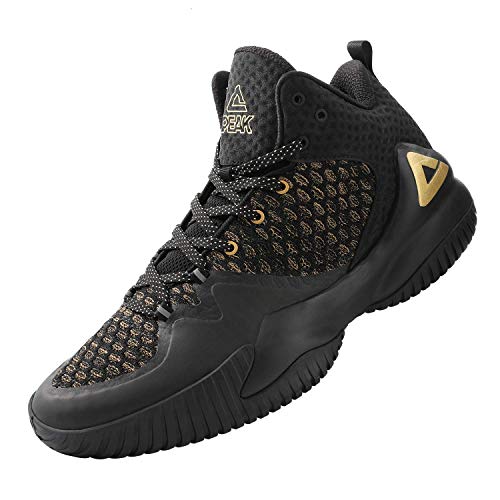
In 1966, Bill Russell had a shoe designed by Bristol Manufacturing Corporation, called the 'Bill Russell Professional Basketball Shoe'.
1966: Russell becomes Celtics head coach
In 1966, Bill Russell was promoted to head coach of the Celtics, becoming the first African American head coach in a major league sport. He emphasized respect for ability over racial prejudice. Russell's negative experiences with racial bigotry led to a strained relationship with fans and journalists.
1966: All-NBA Second Team selection
In 1966, Russell was selected for the All-NBA Second Team, recognizing his achievements during the season.
1966: Eighth Consecutive Title
In 1966, the Celtics won their eighth consecutive title, with Russell scoring 25 points and grabbing 32 rebounds in the decisive Game 7 against the Los Angeles Lakers.
1967: Russell Participates in Cleveland Summit
In 1967, Bill Russell participated in the Cleveland Summit, along with other African-American athletes and a political leader, to support Muhammad Ali's decision to refuse being drafted.
1967: Dunk Shot Banned Due to Lew Alcindor
In 1967, the dunk shot was banned due to Lew Alcindor, though the rule was later repealed.
1969: End of NBA Career
In 1969, Bill Russell concluded his 13-year NBA career with the Boston Celtics.
1969: Final NBA Championship and Retirement
In 1969, Bill Russell helped the Boston Celtics win another NBA championship before ending his playing career and leaving his position as coach.
1969: NBA All-Defensive First Team selection
In 1969, Russell was elected to the NBA All-Defensive First Team during his last season, which was the first year the NBA All-Defensive Teams were selected.
1971: Russell joins NBA on ABC
In 1971, Bill Russell joined NBA on ABC to provide commentary on the Game of the Week.
March 12, 1972: Celtics retire Russell's jersey
On March 12, 1972, the Boston Celtics retired Bill Russell's No. 6 jersey.
1973: Head Coach and General Manager of the Seattle SuperSonics
In 1973, Bill Russell became the head coach and general manager of the Seattle SuperSonics.
1973: Russell coaches the Seattle SuperSonics
In 1973, Bill Russell began his tenure as head coach of the Seattle SuperSonics.
1975: Russell inducted into the Naismith Memorial Basketball Hall of Fame
In 1975, Bill Russell was inducted into the Naismith Memorial Basketball Hall of Fame. He did not attend the ceremony.
1977: Russell leaves SuperSonics
In 1977, Bill Russell left the Seattle SuperSonics, concluding his time as their head coach.
1977: End of Tenure with Seattle SuperSonics
In 1977, Bill Russell's tenure as head coach and general manager of the Seattle SuperSonics concluded.
1978: All High Jump Records are set after Fosbury Flop was introduced
After 1978, all high jump world records were set with the Fosbury Flop was introduced.
1987: Coaching the Sacramento Kings
In 1987, Bill Russell began coaching the Sacramento Kings.
1987: Russell coaches Sacramento Kings
In 1987, Bill Russell began his stint as head coach of the Sacramento Kings.
1988: End of Coaching Career with Sacramento Kings
In 1988, Bill Russell's coaching career with the Sacramento Kings came to an end.
1988: Russell leaves Sacramento Kings
In 1988, Bill Russell's time as head coach of the Sacramento Kings ended after a 17-41 start to the season.
2001: Russell publishes 'Russell Rules'
In 2001, Bill Russell and David Falkner published 'Russell Rules: 11 Lessons on Leadership from the Twentieth Century's Greatest Winner'.

June 18, 2007: Russell inducted into FIBA Hall of Fame
On June 18, 2007, Bill Russell was inducted as a member of the founding class of the FIBA Hall of Fame.
2009: Bill Bradley praises Russell in The New York Times Book Review
In 2009, Bill Bradley, a former opponent of Russell's from the New York Knicks, wrote in The New York Times Book Review that Russell was "the smartest player ever to play the game [of basketball]".
2010: Russell recalls Celtics' racial progress
In 2010, Bill Russell recalled the Boston Celtics organization's racial progress, highlighting objective milestones and his personal experiences as a member during the 1950s and 1960s.
2011: Awarded Presidential Medal of Freedom
In 2011, Barack Obama awarded Bill Russell the Presidential Medal of Freedom for his accomplishments in basketball and civil rights.
2015: Statues of children added to Russell statue display
During the spring of 2015, two statues of children were added to the Bill Russell statue display, honoring his commitment to working with children.
June 15, 2017: Inaugural Recipient of the NBA Lifetime Achievement Award
On June 15, 2017, Russell was announced as the inaugural recipient of the NBA Lifetime Achievement Award, honoring his career-long contributions to basketball.
August 2, 2020: West Coast Conference announces the Russell Rule
On August 2, 2020, the West Coast Conference (WCC) announced the Russell Rule, a conference-wide diversity hiring commitment named after Russell, mandating the inclusion of a member of a traditionally underrepresented community in the final candidate pool for various athletic department positions.
2021: Russell attends Hall of Fame induction as a coach
In 2021, Bill Russell attended his induction into the Basketball Hall of Fame as a coach.
Mentioned in this timeline
Basketball is a team sport played on a rectangular court...
Michael Jordan widely regarded as one of basketball's greatest players...
Barack Obama the th U S President - was the...
Kobe Bryant a celebrated shooting guard played his entire -year...
Martin Luther King Jr was a pivotal leader in the...
Shaquille O'Neal is widely regarded as one of the most...
Trending
3 hours ago Taylor Fritz Overcomes Scary Fall to Secure Crucial Victory at the Lyon Open
5 hours ago Stefanos Tsitsipas Advances to Almaty Open Semifinals
4 hours ago Anna Wintour Faces Social Media Buzz Following Harry Styles Concert Appearance
4 hours ago Gina Hinojosa Campaigns Across Texas Ahead of 2026 Gubernatorial Race
5 hours ago Ms. Rachel Supports Toddler Following Alleged Discrimination at Darien Library Puppet Show
5 hours ago Curt Cignetti Reviews Ohio State Loss and Prepares Indiana for Upcoming Michigan Game
Popular
Ilhan Omar is a prominent American politician currently serving as...

Ken Paxton is an American politician and lawyer serving as...

Elon Musk is a visionary entrepreneur and engineer known for...

Michael Joseph Jackson the King of Pop was a highly...

Cristiano Ronaldo widely considered one of the greatest footballers captains...

Elizabeth Holmes is an American entrepreneur and the founder of...