History of Croatia in Timeline


Croatia, officially the Republic of Croatia, is located in Central and Southeast Europe along the Adriatic Sea. It shares borders with Slovenia, Hungary, Serbia, Bosnia and Herzegovina, and Montenegro, and a maritime border with Italy. The country features over 1,000 islands and islets, forming the largest archipelago in the Adriatic. Zagreb is its capital and largest city, serving as the main cultural and economic hub. Other significant urban centers include Split, Rijeka, and Osijek. Croatia is divided into twenty counties covering 56,594 square kilometers and has a population nearing 3.9 million.
1909: Croatian Sports Association established
In 1909, many sports organizations emerged, including the Croatian Sports Association.


October 1918: Croatian Parliament Declares Independence
On 29 October 1918, the Croatian Parliament (Sabor) declared independence and decided to join the newly formed State of Slovenes, Croats, and Serbs.
December 1918: Union with the Kingdom of Serbia
On 4 December 1918, the State of Slovenes, Croats, and Serbs entered into union with the Kingdom of Serbia to form the Kingdom of Serbs, Croats, and Slovenes.
1918: Merging into the Kingdom of Yugoslavia
In 1918, Croatia reorganized into the State of Slovenes, Croats, and Serbs before merging into the Kingdom of Yugoslavia.
1918: Territorial Divisions
In 1918, the Transleithanian part of Croatia was divided into eight counties with their seats in Bjelovar, Gospić, Ogulin, Osijek, Požega, Varaždin, Vukovar, and Zagreb.
February 1919: Lowest Temperature Recorded
The lowest temperature of −35.5 °C was recorded on 3 February 1919 in Čakovec.
1921: Census Taken
In 1921, a census was taken following World War I, recording the population of Croatia after the war.
1921: Constitution of 1921
In 1921, the constitution defined the country as a unitary state and abolished the Croatian Parliament and historical administrative divisions, effectively ending Croatian autonomy.
1928: Assassination of Stjepan Radić
In 1928, Stjepan Radić was assassinated in the National Assembly by NRS member, Serbian nationalist politician Puniša Račić.
1929: Establishment of the 6 January Dictatorship
In 1929, King Alexander I established the 6 January Dictatorship.
1931: End of Dictatorship and Imposition of Constitution
In 1931, the dictatorship formally ended when the king imposed a more unitary constitution.
August 1939: Cvetković–Maček Agreement
In August 1939, the Cvetković–Maček Agreement was reached, creating the autonomous Banovina of Croatia.
June 1941: Formation of the 1st Sisak Partisan Detachment
On 22 June 1941, the 1st Sisak Partisan Detachment was formed near Sisak, sparking the beginning of the Yugoslav Partisan movement.
1941: Planned Economy
In 1941, Croatia entered into a planned economy with socialism.
December 1943: Recognition of the Partisans by the Allies
In December 1943, at the Tehran Conference, the Partisans gained recognition from the Allies.
1943: Restoration of Sovereignty
In 1943, a resistance movement restored sovereignty, emerging as the Socialist Republic of Croatia within the Socialist Federal Republic of Yugoslavia.
1943: Development of the State Anti-fascist Council for the National Liberation of Croatia
In 1943, the political aspirations of the Partisan movement were reflected in the State Anti-fascist Council for the National Liberation of Croatia, which developed as the bearer of Croatian statehood.
May 1944: Croatian Composition in the Partisan Movement
By May 1944, Croats made up 30% of the Partisan's ethnic composition.
1944: Crimes and Reprisals by Nazi German Forces
In 1944, Nazi German forces committed crimes and reprisals against civilians in retaliation for Partisan actions, such as in the villages of Kamešnica and Lipa.
1944: Belgrade Offensive
In 1944, with the assistance of Soviet troops taking part in the Belgrade Offensive, the Partisans began to gain control of Yugoslavia.
1948: Census Taken
In 1948, a census was taken following World War II, recording the population of Croatia after the war.
1961: Croatia in Eurovision
Croatia competed in the Eurovision Song Contest as part of Yugoslavia since 1961.
1961: Dušan Vukotić won Academy Award for Best Animated Short Film
In 1961, Dušan Vukotić achieved the first major accomplishment by Croatian filmmakers by winning the Academy Award for Best Animated Short Film for Ersatz (Croatian: Surogat).
1967: Declaration on the Status and Name of the Croatian Standard Language
In 1967, Croatian authors and linguists published a Declaration on the Status and Name of the Croatian Standard Language demanding equal treatment for their language.
1971: Croatian Spring
In 1971, the declaration contributed to a national movement seeking greater civil rights and redistribution of the Yugoslav economy, culminating in the Croatian Spring, which was suppressed by Yugoslav leadership.
1972: Designation of Croatian literary language
From 1972 to 1989, in SFR Yugoslavia, the language was constitutionally designated as the "Croatian literary language" and the "Croatian or Serbian language".
1972: Animafest Zagreb founded
In 1972, Animafest Zagreb, a prestigious annual film festival dedicated to animated film, was founded.
1974: Yugoslav Constitution of 1974
In 1974, the Yugoslav Constitution gave increased autonomy to federal units, fulfilling a goal of the Croatian Spring and providing a legal basis for independence.
1979: Hosted the 1979 Mediterranean Games
Croatia hosted the 1979 Mediterranean Games.
1980: Death of Tito
Following Tito's death in 1980, the political situation in Yugoslavia deteriorated.
August 1981: Highest Temperature Recorded
The highest temperature of 42.8 °C was recorded on 4 August 1981 in Ploče.
1986: SANU Memorandum
In 1986, national tension was fanned by the SANU Memorandum.
1987: Hosted the 1987 Summer Universiade
Croatia hosted the 1987 Summer Universiade.
1989: Designation of Croatian literary language
From 1972 to 1989, in SFR Yugoslavia, the language was constitutionally designated as the "Croatian literary language" and the "Croatian or Serbian language".
1989: Coups in Vojvodina, Kosovo, and Montenegro
In 1989, national tension was fanned by the coups in Vojvodina, Kosovo, and Montenegro.
1989: Yugoslavia Victory in Eurovision by Croatian band Riva
The first and only victory Yugoslavia achieved in the Eurovision Song Contest was accomplished by the Croatian pop band Riva in 1989.
January 1990: Fragmentation of the Communist Party
In January 1990, the Communist Party fragmented along national lines, with the Croatian faction demanding a looser federation.
1990: Economy Diversified
In 1990, Croatia diversified its economy before gaining independence.
1990: Tourism Curtailed by Independence
In 1990, the independence of Croatia curbed tourism until the late 1990s.
June 1991: Declaration of Independence
On 25 June 1991, Croatia declared independence.
October 1991: Full Implementation of Independence
On 8 October 1991, the full implementation of the declaration of independence came into effect after a three-month moratorium.
1991: Economic Impact of War
From 1991, the Croatian War of Independence curbed 21–25% of wartime GDP, leaving behind a developing transition economy.
1991: Diplomatic Relations with Germany
In 1991, Croatia began establishing diplomatic relations with other nations, starting with Germany.
1991: Declaration of Independence
In 1991, Croatia declared independence from Yugoslavia.
1991: Population peaks at 4.7 million
In 1991, Croatia's population peaked at 4.7 million, marking a high point before subsequent declines.
1991: Displacement and Emigration during War of Independence
In 1991, during the Croatian War of Independence, over 400,000 Croats were displaced from their homes by Serb forces or fled due to violence, leading to increased emigration.
1991: Croatian Olympic Committee established
In 1991, the Croatian Olympic Committee was established to oversee over 80 national sports associations.
1991: Croatian War of Independence Begins
In 1991, the Croatian War of Independence began, during which the Armed Forces played a key role in protecting territorial integrity.
1991: Military Conscription Enacted
Military conscription was enacted in Croatia from 1991 to 2008.
January 1992: Diplomatic Recognition by the European Economic Community
On 15 January 1992, Croatia gained diplomatic recognition by the European Economic Community, followed by the United Nations.
1992: Croatians participated in the Olympics since 1992
Croatians have participated in the Olympics since 1992 and have won 59 Olympic medals, including 20 gold.
1992: Reintroduction of Counties
In 1992, counties were reintroduced in Croatia through legislation, significantly altered in terms of territory relative to the pre-1920s subdivisions.
1992: Division into Counties and the City of Zagreb
Since 1992, Croatia has been divided into 20 counties and the capital city of Zagreb, which has the dual authority and legal status of a county and a city.
1993: Croatia's Debut in Eurovision as Independent Nation
Croatia debuted at the Eurovision Song Contest as an independent nation in 1993.
August 1995: End of the War
In August 1995, the war effectively ended with a decisive victory by Croatia. This is commemorated each year on 5 August as Victory and Homeland Thanksgiving Day and the Day of Croatian Defenders.
November 1995: Erdut Agreement
In November 1995, the remaining occupied areas were restored to Croatia following the Erdut Agreement.
1995: End of the War of Independence
In 1995, Croatia successfully fought the War of Independence.
1995: Croatian War of Independence Ends
In 1995, the Croatian War of Independence ended.
1996: Croatia in Eurovision
Croatia won fourth place at the 1996 Eurovision Song Contest.
January 1998: UNTAES Mission Concludes
In January 1998, the UNTAES mission concluded.
1998: Death rate exceeds birth rate
Since 1998, Croatia's death rate has continuously exceeded its birth rate, contributing to the country's aging population.
1998: Bronze at the 1998 World Cup
The Croatian national football team won bronze at the 1998 World Cup.
1999: Croatia in Eurovision
Croatia won fourth place at the 1999 Eurovision Song Contest.
1999: International Deployments of Croatian Armed Forces
Since 1999, the Croatian armed forces have deployed internationally for UN peacekeeping missions and military interventions.
May 2000: Joining Partnership for Peace
In May 2000, Croatia joined the Partnership for Peace.
November 2000: Constitutional Amendments and WTO Membership
In November 2000, the Croatian Parliament passed constitutional amendments and Croatia joined the World Trade Organization.
2000: Hosted the 2000 World Rowing Championships
Croatia hosted the 2000 World Rowing Championships and the 2000 World Men's Handball Championship.
2000: World Trade Organization Member
In 2000, Croatia joined the World Trade Organization (WTO).
March 2001: Constitutional Amendments
In March 2001, constitutional amendments were passed to limit presidential powers.
2002: Re-establishment of the University of Zadar
In 2002, the renewed University of Zadar was founded, reviving the institution that was originally established in 1396.
2003: First Foreign Military Deployment
In 2003, the Croatian military's first foreign deployment was to the War in Afghanistan.
2004: Negotiations to join the EU
Croatia successfully completed negotiations from 2004 to 2013, to join the European Union (EU).
2005: EC Survey on Second Languages
According to a 2005 EC survey, 49% of Croats speak English as their second language, followed by German (34%) and Italian (14%).
2005: National Ecological Network Setup
In 2005, the National Ecological Network was established in Croatia. This was the first step in preparation for EU accession and joining the Natura 2000 network.
2006: Revision of County Borders
In 2006, County borders in Croatia were last revised.
2007: Hosted the 2007 World Table Tennis Championships
Croatia hosted the 2007 World Table Tennis Championships.
2007: Law to increase free education
In 2007, a law was passed to increase free, noncompulsory education until 18 years of age in Croatia.
2008: Election to UN Security Council
Croatia was elected to serve on the non-permanent seat of the UN Security Council from 2008 to 2009.
2008: Population Decline
From 2008 to 2018, Croatia's population dropped by 10%, highlighting the impact of emigration and low birth rates.
2008: Military conscription
Military conscription was enacted in Croatia from 1991 to 2008.
April 2009: Joining NATO
In April 2009, Croatia joined the military alliance NATO.
2009: Hosted the 2009 World Men's Handball Championship
Croatia hosted the 2009 World Men's Handball Championship.
2009: Election to UN Security Council
Croatia was elected to serve on the non-permanent seat of the UN Security Council from 2008 to 2009.
2009: Gallup Poll on Importance of Religion
In a 2009 Gallup poll, 70% of Croatians answered yes to the question "Is religion an important part of your daily life?"
2009: Introduction of Nationwide Leaving Exams
Nationwide leaving exams (državna matura) were introduced for secondary education students in Croatia in the school year 2009–2010.
2010: Newspapers and Magazines Published
In 2010, 267 newspapers and 2,676 magazines were published in Croatia.
2010: Energy Production Coverage
In 2010, Croatian energy production covered 85% of nationwide natural gas and 19% of oil demand.
2010: Eurostat Eurobarometer Poll on Belief in God
In the 2010 Eurostat Eurobarometer Poll, 69% of the Croatian population responded that they believe in God.
2010: Introduction of Nationwide Leaving Exams
Nationwide leaving exams (državna matura) were introduced for secondary education students in Croatia in the school year 2009–2010.
2011: Foreign Language Knowledge
A 2011 survey revealed that 78% of Croats claim knowledge of at least one foreign language.
2011: Anti-Government Protests and Dissolution of Parliament
In 2011, austerity measures led to anti-government protests and parliament was dissolved in May.
July 2013: Joining the European Union
In July 2013, Croatia joined the European Union (EU) as its 28th member.
2013: European Economic Area Member
In 2013, Croatia became part of the European Economic Area (EEA).
2013: Joins the European Union (EU)
In 2013, Croatia joined the European Union (EU), becoming a part of the EU defence forces.
2013: Croatian becomes official language of the EU
In 2013, Croatian became an official language of the European Union upon Croatia's accession.
October 2016: Andrej Plenković Becomes Prime Minister
On 19 October 2016, Andrej Plenković began serving as the current Croatian Prime Minister.
2016: Primary Energy Production
In 2016, Croatia's primary energy production involved natural gas (24.8%), hydropower (28.3%), crude oil (13.6%), fuelwood (27.6%), and heat pumps and other renewable energy sources (5.7%).
2017: Wine production exceeds 72 million litres
As of 2017, the annual wine production in Croatia exceeded 72 million litres.
2017: Healthcare Expenditures
In 2017, annual healthcare related expenditures in Croatia reached 22.2 billion kuna (around €3.0 billion).
2017: Net Total Electrical Power Production
In 2017, net total electrical power production reached 11,543 GWh, while imports reached 12,157 GWh, about 40% of electric power energy needs.
2018: Hosted the 2018 World Men's Handball Championship
Croatia hosted the 2018 World Men's Handball Championship.
2018: Passenger Arrivals Recorded
Croatian airports recorded more than 10 million tourist passenger arrivals in 2018.
2018: Population Decline
From 2008 to 2018, Croatia's population dropped by 10%, highlighting the impact of emigration and low birth rates.
2018: Silver at the 2018 World Cup
The Croatian national football team won silver at the 2018 World Cup.
2019: Press Freedom Index Ranking
Croatia ranked 64th in the 2019 Press Freedom Index report compiled by Reporters Without Borders.
2019: Passenger Arrivals Recorded
Croatian airports recorded more than 11 million tourist passenger arrivals in 2019.
2019: National Sport Programme enacted
In 2019, Croatia enacted the National Sport Programme to support sports development.
2019: Theatre Attendance
In 2019, Croatia had 95 professional theatres, 30 professional children's theatres, and 51 amateur theatres visited by more than 2.27 million viewers per year.
2019: Increased permit quotas for foreign workers
In 2019, the Croatian government increased permit quotas for foreign workers to an all-time high of 68,100.
2020: Most Widely Circulated Newspaper
In 2020, 24sata was the most widely circulated daily newspaper in Croatia, followed by Večernji list and Jutarnji list.
2020: Number of Radio and TV Stations
In 2020, there were 147 radio stations and 27 TV stations in Croatia.
2020: Gold medal at the 2020 Summer Olympics
The Croatian national tennis team won a gold medal at the 2020 Summer Olympics in men's doubles.
January 2021: Nationwide Free-to-Air Television Channels
As of January 2021, there are thirteen nationwide free-to-air DVB-T television channels in Croatia.
January 2021: LNG Hrvatska Commences Operations
The floating liquefied natural gas import terminal off Krk island, LNG Hrvatska, commenced operations on 1 January 2021, positioning Croatia as a regional energy leader.
2021: Native Language Census
According to the 2021 Census, 95.25% of citizens declared Croatian as their native language.
2021: Religious Affiliation Census
According to the 2021 census, 87.39% of Croatians identify as Christian, with Catholics making up 78.97% of the population.
2021: Census Reveals Ethnic Composition
According to the 2021 census, Croats constituted 91.6% of the population, followed by Serbs (3.2%), Bosniaks (0.62%), Roma (0.46%), and other ethnic groups.
2022: Number of schools
As of the 2022-23 school year, there were 2,073 elementary schools and 738 upper secondary schools in Croatia.
2022: Process to Join the OECD
In 2022, Croatia began the process to join the OECD, due to complete membership proceedings by 2026.
2022: GDP Spending on Healthcare
In 2022, Croatia spent around 7.2% of its GDP on healthcare.
2022: Research and Development Expenditure
In 2022, Croatia's research and development (R&D) expenditure was approximately 1.43% of GDP.
2022: Cardiovascular disease and obesity statistics
In 2022, the principal cause of death in Croatia was cardiovascular disease, accounting for 34.3% of deaths for men and 43.8% for women. Also according to 2022 data, 35.65% of the Croatian adult population is obese.
2022: Another bronze at 2022 World Cup
The Croatian national football team won another bronze at the 2022 World Cup.
2023: Passenger Arrivals Recorded
Croatian airports recorded more than 11 million tourist passenger arrivals in 2023.
2023: Museum Visitors
In 2023, Croatia had 222 museums visited by more than 2.71 million people.
2023: Joining the Eurozone and Schengen Area
In 2023, Croatia joined the Eurozone and Schengen Area, adopting the euro as its official currency.
2023: EIB Loan to Split
In 2023, the EIB signed a €49 million loan with the City of Split to co-finance its 2023–2027 multi-sector investment program.
July 2024: Aircraft Deliveries and Expanded International Network
In July 2024, Croatia Airlines took delivery of its first Airbus A220-300 aircraft. As of 2024, Croatia Airlines expanded its international network by introducing direct flights from Zagreb to Tirana, Berlin, and Stockholm. Additionally, the airline launched services connecting Hamburg to Zagreb starting 1 July 2024.
July 2024: European Investment Bank investment and acquisition
In July 2024, the European Investment Bank committed €400 million to support the revitalization of the Croatian railway system. Also in July 2024, a significant agreement was signed for the acquisition of six electro-diesel multiple units (EDMUs) to improve connectivity between Split and Zagreb. Valued at €57.3 million and financed through an EIB loan.
2024: Tourist Visits
A total of 20.2 million tourists visited Croatia in 2024.
2024: Immigrant Population Statistics
According to the 2024 Croatian Bureau of Statistics report, immigrants comprised 12.5% to 14.6% of Croatia's population.
2024: Croatia in Eurovision
Croatia achieved second place at the 2024 Eurovision Song Contest, marking the country's best result to date as an independent nation.
2024: Population and Life Expectancy
In 2024, Croatia had an estimated population of 3.87 million and an overall life expectancy at birth of 77.7 years.
2024: Diplomatic Relations with Liberia
In 2024, Croatia most recently established diplomatic relations with Liberia.
2024: Nebojša Slijepčević nominated for Academy Award
In 2024, Croatian filmmaker Nebojša Slijepčević was nominated for the 97th Academy Awards in the Best Live Action Short Film category for his movie "The Man Who Could Not Remain Silent" (Croatian: Čovjek koji nije mogao šutjeti).
2024: EIB Loan to Zagreb
In 2024, the EIB extended a €207 million loan to the City of Zagreb for infrastructure upgrades, including renewable energy, affordable housing, and schools.
2024: Increased Travel Regulations and Tourist Costs
Since 2024, inflation and overtourism have led to increased travel regulations and tourist costs in Croatia.
January 2025: Election of Zoran Milanović as President
On 12 January 2025, Zoran Milanović was elected as president.
2025: Global Peace Index Ranking
According to the 2025 Global Peace Index, Croatia is ranked as the 18th most peaceful country in the world.
2025: Passengers welcomed
Airports in Croatia welcomed more than 14 million passengers in 2025.
2025: Military conscription since
Croatia has had military conscription since 2025.
2025: To host the 2025 World Men's Handball Championship
Croatia is scheduled to host the 2025 World Men's Handball Championship.
2025: Life Expectancy Ranking
In 2025, Croatia ranked 53rd in the world in life expectancy, with 75.8 years for men and 81.9 years for women.
2025: Ninth-Most-Visited State in the EU
In 2025, Croatia was the ninth-most-visited state in the EU and third-most-visted in Southern Europe.
2026: Water resources per capita
According to Eurostat in 2026, Croatia has the highest quantity of water resources per capita in the EU (30,000 m).
2026: Croatian Population
As of 2026, Croatia has a population of nearly 3.9 million.
2026: Completion of OECD Membership Proceedings
Croatia began the process to join the OECD in 2022, due to complete membership proceedings by 2026.
2027: EIB Loan to Split
In 2023, the EIB signed a €49 million loan with the City of Split to co-finance its 2023–2027 multi-sector investment program.
Mentioned in this timeline
Germany officially the Federal Republic of Germany is located in...
Inflation in economics signifies a rise in the average price...
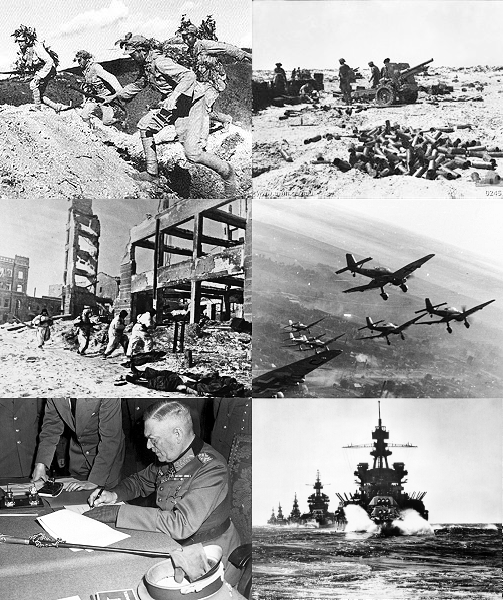
World War II - was a global conflict between the...

Football encompasses a variety of team sports centered around advancing...
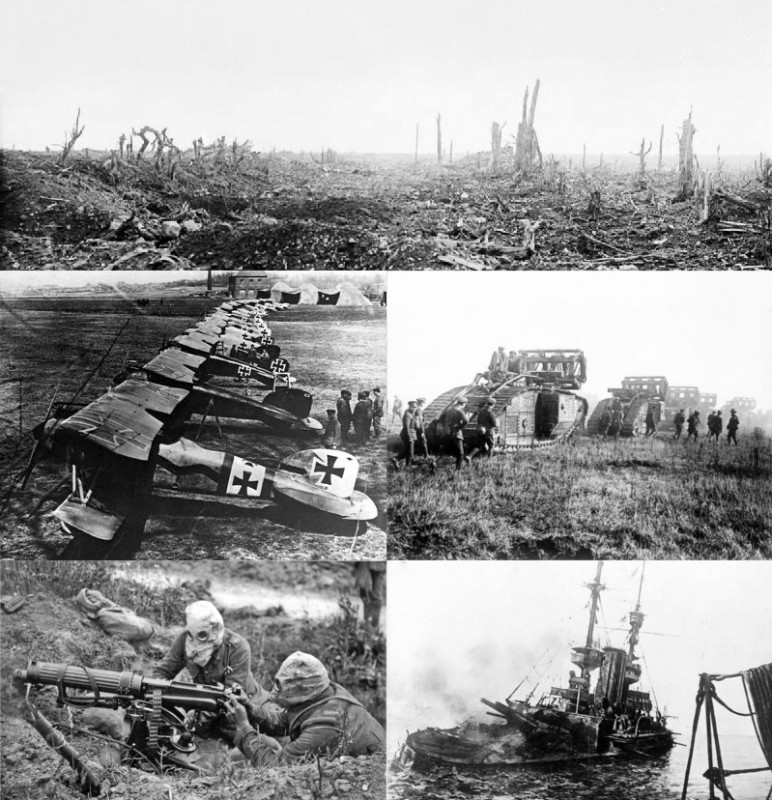
World War I a global conflict between the Allies and...
Italy officially the Italian Republic is a country in Southern...
Trending

2 months ago The Invite trailer unveiled: Wilde, Rogen, Cruz, and Norton in memorable film.

3 months ago Roki Sasaki faces Dodgers rotation pressure; Roberts seeks improvement with Sheehan.

2 months ago Manny Machado hits two-run homer in Mexico City Series, showcasing power at bat.

3 months ago Tigers face Cardinals on Opening Day; McGonigle moves up in lineup.

3 months ago Bruno Fernandes Crowned Player of the Month; Cunha's Goal Celebrated
1 year ago Juventus Eyes Renato Veiga, Conceição, and Muani for the Club World Cup
Popular
Cristiano Ronaldo widely considered one of the greatest footballers captains...
Buc-ee's is an American chain of large country stores gas...

Elon Musk is a businessman and public official primarily known...

E Jean Carroll is an American journalist author and advice...
Lauryn Hill is a highly influential American rapper singer songwriter...

Bernie Sanders is a prominent American politician and the senior...