


Croatia is a Central and Southeast European nation located along the Adriatic Sea. Formerly part of Yugoslavia, it declared independence in 1991, leading to a period of conflict before establishing a stable democratic parliamentary republic. The country is renowned for its stunning coastline, featuring over a thousand islands and historic cities like Dubrovnik and Split, which are UNESCO World Heritage sites. Economically, Croatia relies heavily on tourism, services, and industry. A significant milestone in its modern history was joining the European Union in 2013, followed by its entry into the Schengen Area and adoption of the euro in 2023. With a rich cultural heritage blending Mediterranean, Central European, and Balkan influences, Croatia has become a major global travel destination and an integrated member of Western political and economic institutions.
October 1918: Declaration of Croatian Independence
On 29 October 1918, the Croatian Parliament (Sabor) formally declared independence and resolved to join the newly established State of Slovenes, Croats, and Serbs.


December 1918: Formation of the Kingdom of Serbs, Croats, and Slovenes
On 4 December 1918, the State of Slovenes, Croats, and Serbs entered into a union with the Kingdom of Serbia to establish the Kingdom of Serbs, Croats, and Slovenes, though the Croatian Parliament did not officially ratify this union.
1918: Formation of the Kingdom of Yugoslavia
In 1918, following the reorganization of the State of Slovenes, Croats, and Serbs, Croatia merged into the newly formed Kingdom of Yugoslavia.
1921: Constitutional Abolition of Croatian Autonomy
In 1921, the introduction of a new constitution defined the nation as a unitary state, which resulted in the abolition of the Croatian Parliament and historical administrative divisions, effectively ending Croatian autonomy.
1928: Assassination of Stjepan Radić
In 1928, Stjepan Radić, leader of the Croatian Peasant Party, was assassinated within the National Assembly by Puniša Račić, a Serbian nationalist, leading to a significant escalation in political instability.
1929: Establishment of the 6 January Dictatorship
Following the political turmoil of 1928, King Alexander I established a royal dictatorship on January 6, 1929, to consolidate power and address the deteriorating state of the government.
1931: Imposition of a Unitary Constitution
The period of royal dictatorship formally concluded in 1931 when King Alexander I implemented a new, unitary constitution to restructure the governance of the nation.
August 1939: The Cvetković–Maček Agreement
In August 1939, the Cvetković–Maček Agreement was signed, establishing the autonomous Banovina of Croatia and granting the Croatian Sabor authority over regional governance while leaving central state powers with the Yugoslav government.
April 1941: Invasion of Yugoslavia and Creation of the Independent State of Croatia
In April 1941, Nazi Germany and Fascist Italy invaded Yugoslavia, leading to the creation of the Independent State of Croatia (NDH), a puppet regime led by Ante Pavelić and the Ustaše that initiated racial laws and genocide against Serbs, Jews, and Roma.
June 1941: Formation of the 1st Sisak Partisan Detachment
On 22 June 1941, the 1st Sisak Partisan Detachment was established near Sisak, marking the creation of the first military unit formed by a resistance movement in occupied Europe and triggering the start of the Yugoslav Partisan movement.
December 1943: Allied Recognition at the Tehran Conference
During the Tehran Conference in December 1943, the Yugoslav Partisan movement received formal recognition from the Allied powers for their efforts in the resistance.
1943: Establishment of the Socialist Republic of Croatia
In 1943, a resistance movement successfully restored sovereignty, resulting in Croatia emerging as the Socialist Republic of Croatia within the Socialist Federal Republic of Yugoslavia.
1943: Formation of the State Anti-fascist Council for the National Liberation of Croatia
In 1943, the State Anti-fascist Council for the National Liberation of Croatia was established, acting as a representative body for Croatian statehood and eventually evolving into the Parliament by 1945.
May 1944: Croat Representation in the Partisan Movement
As of May 1944, Croats accounted for 30% of the ethnic composition within the Yugoslav Partisan movement, exceeding their 22% share of the total Yugoslav population.
1944: Nazi Reprisals Against Civilians
During 1944, Nazi German forces carried out violent reprisals against civilians in response to the actions of Partisans, notably affecting the villages of Kamešnica and Lipa.
1944: Belgrade Offensive
In 1944, the Belgrade Offensive took place, featuring the participation of Soviet troops who assisted the Partisans in their efforts to gain control of Yugoslavia and surrounding territories.
May 1945: End of Partisan territorial expansion and retreat of Axis forces
By May 1945, Partisan forces, bolstered by Allied support and Soviet troops, secured control over Yugoslavia and neighboring regions of Italy and Austria. Following the surrender of retreating NDH armed forces and civilians in May 1945, many individuals were killed during the Yugoslav death march of Nazi collaborators.
1967: Declaration on the Status and Name of the Croatian Standard Language
In 1967, prominent Croatian authors and linguists issued a formal declaration advocating for the equal status and official recognition of the Croatian language, marking a significant cultural stand within the Yugoslav federation.
1971: The Croatian Spring
The 1971 Croatian Spring was a reformist movement that sought enhanced civil rights and a more equitable redistribution of the Yugoslav economy, though the movement was ultimately suppressed by the central Yugoslav leadership that same year.
1974: The 1974 Yugoslav Constitution
Ratified in 1974, the new Yugoslav Constitution granted increased autonomy to the individual federal units, effectively satisfying primary objectives of the previous Croatian Spring movement and establishing the legal framework that would later support the independence of constituent nations.
1980: Death of Josip Broz Tito
In 1980, the death of Yugoslav leader Josip Broz Tito triggered a significant decline in the political stability of Yugoslavia, leading to increased internal friction.
1986: SANU Memorandum
The publication of the SANU Memorandum in 1986 served as a major catalyst for rising nationalist tensions within the Yugoslav federation.
1989: Anti-bureaucratic Revolution Coups
During 1989, a series of political coups occurred in Vojvodina, Kosovo, and Montenegro, further destabilizing the unity of the Yugoslav state.
January 1990: Fragmentation of the Communist Party
In January 1990, the Communist Party of Yugoslavia fractured along national lines, with the Croatian branch advocating for a transition toward a looser federal structure.
June 1991: Declaration of Croatian Independence
On 25 June 1991, amidst rising regional tensions, Croatia officially declared its independence from Yugoslavia, marking a pivotal moment in the nation's path to sovereignty.
October 1991: Implementation of Independence
Following a three-month moratorium on its initial declaration, Croatia's independence fully came into effect on 8 October 1991, despite the onset of a high-intensity conflict.
1991: Declaration of Independence
Croatia officially declared its independence from Yugoslavia in 1991, marking the beginning of the Croatian War of Independence.
January 1992: Diplomatic Recognition of Croatia
On 15 January 1992, Croatia achieved a major milestone in its sovereignty when it received diplomatic recognition from the European Economic Community, which was subsequently followed by recognition from the United Nations.
August 1995: End of the Croatian War of Independence
In August 1995, the war effectively concluded following a decisive Croatian military victory, an event currently commemorated annually on 5 August as Victory and Homeland Thanksgiving Day and the Day of Croatian Defenders. The aftermath saw significant population displacement and humanitarian concerns regarding the treatment of civilians.
November 1995: Erdut Agreement
Signed in November 1995, the Erdut Agreement provided the framework for the peaceful restoration of the remaining occupied areas to Croatian control, marking a critical step in the nation's territorial reintegration.
1995: Conclusion of the War of Independence
In 1995, Croatia successfully concluded the War of Independence, securing its sovereignty after years of conflict that began in 1991.
January 1998: Conclusion of the UNTAES Mission
The reintegration process officially concluded in January 1998 with the end of the United Nations Transitional Administration for Eastern Slavonia, Baranja and Western Sirmium (UNTAES) mission, finalizing the restoration of occupied territories.
1999: Initiation of International Military Deployments
Starting in 1999, the Croatian Armed Forces began participating in international peacekeeping operations and military interventions, marking a shift in their foreign policy and security role.
May 2000: Partnership for Peace Accession
In May 2000, Croatia formally joined the Partnership for Peace, marking a significant step toward its integration into Western security structures.
November 2000: Constitutional Amendments and WTO Membership
In November 2000, the Croatian Parliament passed constitutional amendments to initiate the shift to a unicameral system, and Croatia officially joined the World Trade Organization.
March 2001: Consolidation of Unicameral Parliament
In March 2001, Croatia continued its constitutional reforms by further solidifying the transition to a unicameral parliament and moving to limit presidential powers.
2004: Commencement of EU Accession Negotiations
In 2004, Croatia began the formal negotiation process to join the European Union, a path that would eventually lead to membership in 2013.
2008: Commencement of UN Security Council Membership
In 2008, Croatia began its tenure serving as a member of the UN Security Council, occupying a non-permanent seat to contribute to global governance.
2008: Financial Crisis and UN Security Council Tenure
In 2008, Croatia began its term as a non-permanent member of the UN Security Council, while simultaneously suffering the negative impacts of the global financial crisis.
April 2009: NATO Membership
In April 2009, Croatia successfully joined the NATO military alliance, strengthening its international security and defense partnerships.
2009: Conclusion of UN Security Council Membership
Croatia concluded its term serving on the non-permanent seat of the United Nations Security Council in 2009.
2011: Protests and Parliamentary Dissolution
Throughout 2011, austerity measures triggered widespread anti-government protests, leading to the dissolution of parliament in May 2011 and a subsequent call for new elections.
July 2013: European Union Accession
Following extensive negotiations, Croatia became the 28th member of the European Union in July 2013.
2026: Demographic Update of Croatia
As of the year 2026, Croatia reached a total population count of nearly 3.9 million people living across its twenty counties and four administrative regions.
Mentioned in this timeline
Germany officially the Federal Republic of Germany is located in...
Inflation in economics signifies a rise in the average price...
A bank is a regulated financial institution licensed to accept...
World War II - was a global conflict between the...

Football commonly known as soccer in many regions is the...
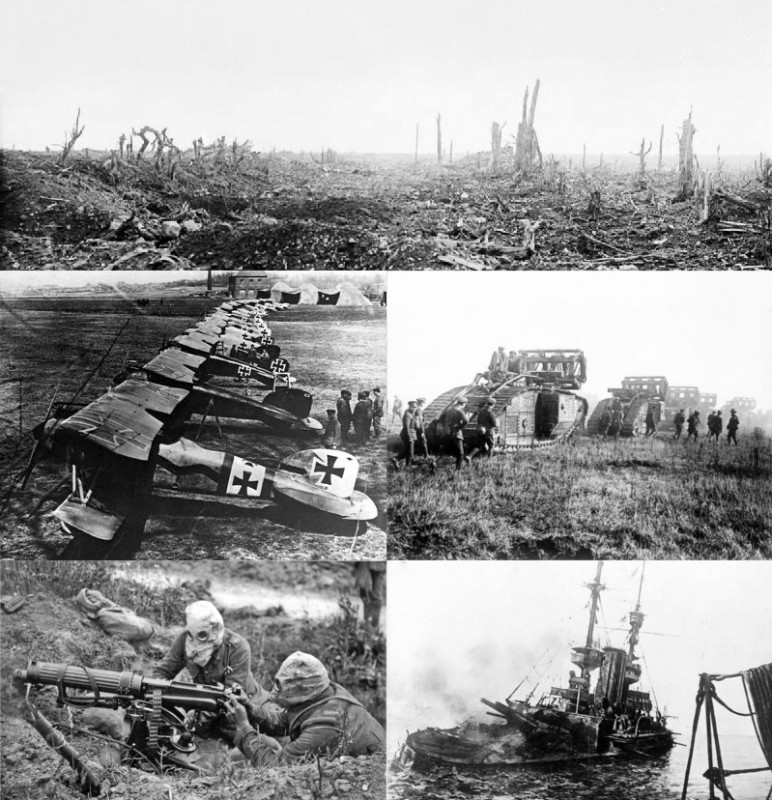
World War I a global conflict between the Allies and...
Trending

3 hours ago Paris Hilton Hosts Alice + Olivia Breast Cancer Awareness Charity Event
19 hours ago JD Vance Faces Scrutiny Over Iran War Stance and Policy Disagreements

3 hours ago Travis Hunter Scores First Touchdown of 2026 Season in London Game
3 hours ago NYC Dogs Dress Up in Spooky Costumes for Annual Tompkins Square Halloween Parade

3 months ago Timothy Olyphant Discusses Deadwood Legacy and Unique Personal Lifestyle Choices

5 hours ago Christian Kirk Nears Return to Injury-Stricken 49ers Roster
Popular

Ilhan Omar is a prominent American politician currently serving as...

Ken Paxton is an American politician and lawyer serving as...

Elon Musk is a visionary entrepreneur and engineer known for...

Jameis Winston is an American football quarterback currently playing for...

Michael Joseph Jackson the King of Pop was a highly...

Cristiano Ronaldo widely considered one of the greatest footballers captains...