


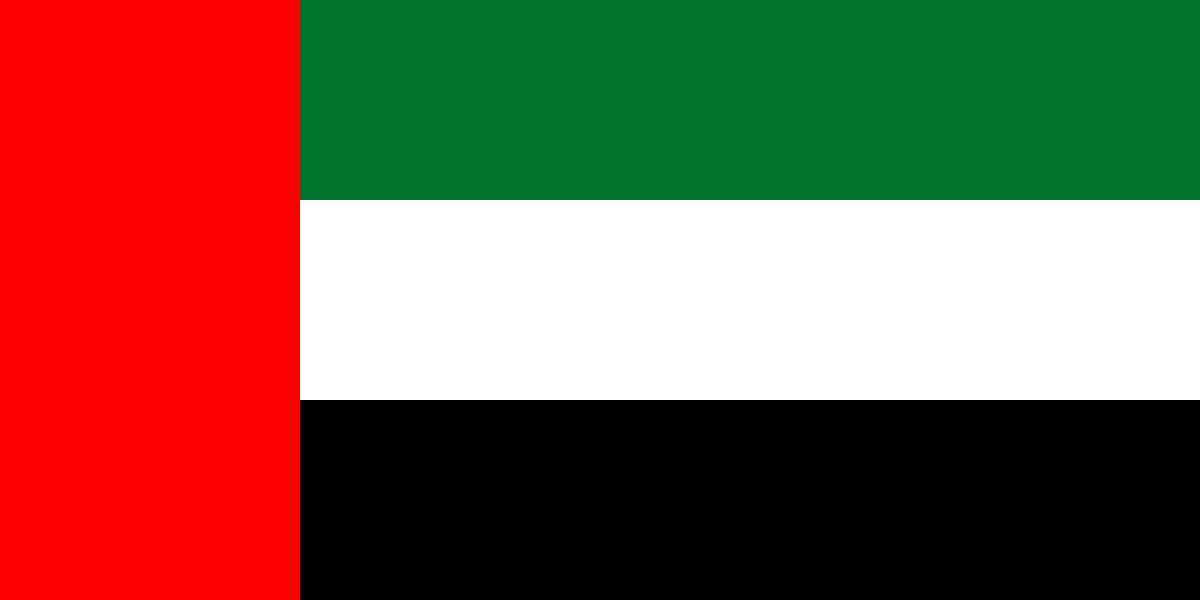
The United Arab Emirates (UAE), located in West Asia on the Arabian Peninsula, is a federal semi-constitutional monarchy comprised of seven emirates. Abu Dhabi is its capital, and it borders Oman and Saudi Arabia, sharing maritime borders with Qatar, Iran, and Oman. The UAE's population in 2024 is estimated to be over 11 million, with Dubai being its largest city. Islam is the state religion. Arabic is the official language, while English is widely used, particularly in business.
1905: Ahmed bin Sulayem born
Ahmed bin Sulayem, one of the most famous Emirati writers, was born in 1905.


1906: British Acknowledgment of Abu Dhabi's Claim to Khor Al Adaid
In 1906, the British Political Resident, Percy Cox, confirmed in writing to Zayed bin Khalifa Al Nahyan, the ruler of Abu Dhabi, that Khor Al Adaid belonged to his sheikhdom.
1908: Oil discovery in Persia
In 1908, oil was discovered in Persia, leading to interest in exploring for oil in the Trucial States.
1922: Restriction on Foreign Concessions in the Trucial States
In 1922, the British government secured commitments from the rulers of the Trucial States not to sign concessions with foreign companies without British consent.
1927: Oil discovery in Mesopotamia
In 1927, oil was discovered in Mesopotamia, increasing interest in exploring for oil in the Trucial States.
1935: Onshore Oil Concessions Granted
In 1935, onshore concessions to explore for oil were granted by local rulers in the Trucial States, with the Anglo-Persian Oil Company (APOC) signing the first one on behalf of Petroleum Concessions Ltd (PCL).
1950: First Bore Holes Drilled in Abu Dhabi
In 1950, Petroleum Development (Trucial Coast) Ltd (PDTC), the operating company of IPC, drilled the first bore holes in Abu Dhabi at Ras Sadr, but the 13,000-foot-deep bore hole turned out dry after a year of drilling.
1952: Formation of the Trucial States Council
In 1952, the seven sheikhs of the emirates formed the Trucial States Council to coordinate matters between them and took over the development office. Adi Al Bitar was appointed as secretary general and legal advisor to the council.
1953: Offshore Concession Obtained by D'Arcy Exploration Ltd
In 1953, D'Arcy Exploration Ltd, a subsidiary of BP, obtained an offshore concession from the ruler of Abu Dhabi. BP partnered with Compagnie Française des Pétroles (later Total) to establish operating companies like Abu Dhabi Marine Areas Ltd (ADMA) and Dubai Marine Areas Ltd (DUMA).
1954: Death of Mubarak Al Oqaili
In 1954, Mubarak Al Oqaili, one of the most famous Emirati writers, died.
1955: UK Representation in Buraimi Oasis Dispute
In 1955, the United Kingdom represented Abu Dhabi and Oman in their dispute with Saudi Arabia over the Buraimi Oasis.
1958: Oil Discovery in Abu Dhabi
In 1958, drilling commenced over the Umm Shaif pearl bed in Abu Dhabi waters, leading to the first commercial oil discovery in the Trucial Coast in March.
1959: Death of Salem bin Ali al Owais
In 1959, Salem bin Ali al Owais, one of the most famous Emirati writers, died.
October 1960: Discovery of Oil in Commercial Quantities at Murban No. 3 Well
In October 1960, oil was discovered in commercial quantities at the Murban No. 3 well on the coast near Tarif by PDTC.
1962: PDTC Becomes Abu Dhabi Petroleum Company
In 1962, PDTC was renamed to the Abu Dhabi Petroleum Company. Increased oil revenues led to a construction program in Abu Dhabi.
1962: First Oil Exports
In 1962, the first exports of oil commenced from the Trucial Coast following the commercial oil discovery in Abu Dhabi in 1958.
1966: British Government Acknowledged Inability to Protect Trucial States
By 1966, the British government acknowledged its inability to continue administering and protecting the Trucial States.
January 1968: Announcement of British Withdrawal from the Trucial States
On 24 January 1968, British Prime Minister Harold Wilson announced the government's decision to end the treaty relationships with the seven trucial sheikhdoms.
1969: Commencement of Dubai's Oil Exports
In 1969, Dubai's oil exports began, allowing Sheikh Rashid bin Saeed Al Maktoum to invest the revenues in diversifying Dubai's economy.
1969: Omani Exclave Boundary Settled
In 1969, the boundary of the Omani exclave surrounded by UAE territory, known as Wadi Madha, was settled. It is located halfway between the Musandam peninsula and the rest of Oman in the Emirate of Sharjah.
March 1971: Reaffirmation of British Withdrawal
In March 1971, Prime Minister Edward Heath reaffirmed the decision to end the treaty relationships with the seven trucial sheikhdoms.
September 1971: Qatar's Independence
In September 1971, Qatar achieved independence, originally intended to be part of the proposed Federation of Arab Emirates.
November 1971: Iranian Seizure of Tunb Islands
On 30 November 1971, just before independence, Iranian forces seized the Tunb islands.
1971: Border disputes unresolved after UAE independence
In 1971, after the UAE became independent, conflicting claims were not resolved regarding boundary disputes between Abu Dhabi and Dubai, and also between Dubai and Sharjah. The most complicated borders were in the Western Hajar Mountains, where five of the emirates contested jurisdiction over more than a dozen enclaves.
1971: UAE lays claim to Iranian-occupied islands after British departure
In 1971, following Britain's military departure and the establishment of the UAE as a new state, the UAE laid claim to Iranian-occupied islands of Abu Musa and the Greater and Lesser Tunbs, resulting in disputes with Iran that remain unresolved. The UAE also disputes claims on other islands against Qatar.
1971: UAE Disputes Rights to Islands Against Iran
In 1971, following the British withdrawal and the establishment of the UAE, the UAE disputed rights to three islands in the Persian Gulf against Iran: Abu Musa, Greater Tunb, and Lesser Tunb.
1971: Full Independence as the United Arab Emirates
In 1971, the Trucial States achieved full independence as the United Arab Emirates. Sheikh Zayed bin Sultan Al Nahyan, the ruler of Abu Dhabi, became the country's first president.
1971: Falconry as a national symbol
Since its inception in 1971, falconry has functioned as a national symbol of the UAE.
1971: Independence of the UAE
Since its independence in 1971, the United Arab Emirates' economy has grown nearly 231 times to 1.45 trillion AED in 2013.
January 1972: Ras al-Khaimah Joins the UAE
On 10 January 1972, Ras al-Khaimah joined the United Arab Emirates.
February 1972: Creation of the Federal National Council
In February 1972, the Federal National Council (FNC) was established as a 40-member consultative body appointed by the seven rulers.
1974: Border Agreement with Saudi Arabia
In 1974, a border agreement was signed between the UAE and Saudi Arabia, formally demarcating their frontiers.
1974: Abu Dhabi-Saudi Border Agreement
In 1974, an agreement between Abu Dhabi and Saudi Arabia was signed to settle the Abu Dhabi-Saudi border dispute, though it has not been ratified.
1974: Establishment of the UAE Football Association
In 1974, the United Arab Emirates Football Association was established to promote the game, organize youth programmes, and improve the abilities of players, officials, and coaches.
1975: Population growth
In 1975, the population in the UAE was around 550,000 people.
1976: Death of Ahmed bin Sulayem
In 1976, Ahmed bin Sulayem, one of the most famous Emirati writers, died.
1980: UAE Labour Law of 1980
In 1980, the UAE labour law was introduced, but it did not cover domestic servants, leaving them vulnerable.
May 1981: Founding Member of the Gulf Cooperation Council
In May 1981, the UAE was a founding member of the Gulf Cooperation Council (GCC), with Abu Dhabi hosting the first GCC summit.
1981: Non-oil trade growth begins
From 1981 to 2012, the non-oil trade in the United Arab Emirates grew by around 28 times, reaching 1.2 trillion AED.
1982: Consecutive World Cup qualifying for Arab nations
In 1982, it was the first consecutive World Cup with two Arab nations, Kuwait and Algeria, qualifying.
1986: Publication of "The Myth of Arab Piracy in the Gulf"
In 1986, Sheikh Sultan Al Qasimi, the current ruler of Sharjah, published his book "The Myth of Arab Piracy in the Gulf," disputing the British characterization of the southern coast of the Persian Gulf as the "Pirate Coast."
1986: Consecutive World Cup qualifying for Arab nations
In 1986, it was the second consecutive World Cup with two Arab nations, Iraq and Algeria, qualifying.
1990: ECB becomes member of ICC
In 1990, the Emirates Cricket Board (ECB) became a member of the ICC.
1990: UAE qualifies for FIFA World Cup
In 1990, the UAE's senior men's team qualified for the Italy FIFA World Cup and finished in 24th place.
1991: UAE Supported Military Operations During Gulf War
In 1991, The UAE supported military operations by the US and other coalition states engaged in the Gulf War against Saddam Hussein in Ba'athist Iraq
1993: UAE Deploys Battalion to UNOSOM II Force in Somalia
In 1993, the UAE deployed an infantry battalion to the United Nations UNOSOM II force in Somalia as part of its military deployments.
1994: UAE Signed Military Defence Agreement with the US
In 1994, The UAE signed a military defence agreement with the US
1995: Al Shaab finishes as runners-up
In 1995, Al Shaab (now Sharjah) finished as runners-up in the AFC Champions League Two.
1995: UAE Signed Military Defence Agreement with France
In 1995, The UAE signed a military defence agreement with France.
1996: UAE hosts AFC Asian Cup
In 1996, the UAE hosted the AFC Asian Cup and finished as runners-up after being defeated by the eventual champions.
1996: UAE national cricket team qualifies for Cricket World Cup
In 1996, the UAE national cricket team qualified for the Cricket World Cup.
1997: UAE qualifies for Confederations Cup
In 1997, the UAE qualified for the Confederations Cup as Asian champions and finished in 6th place.
1998: Sharjah named Cultural Capital of the Arab World
In 1998, Sharjah, with its Heritage District containing 17 museums, was named the Cultural Capital of the Arab World.
1999: UAE Ranked as "Not Free" in Freedom House Report
Since 1999, the UAE has been consistently ranked as "Not Free" in Freedom House's annual Freedom in the World report, highlighting concerns over civil liberties and political rights.
1999: UAE Listed as "Not Free" by Freedom House
Since 1999, the United Arab Emirates has been listed as "Not Free" every year by the annual Freedom House report on Freedom in the World.
2000: Start of impressive GDP growth
From 2000 to 2018, the United Arab Emirates experienced an average real gross domestic product (GDP) growth of close to 4%.
2000: Examples of UAE Military Deployments
In the year 2000, some of the UAE military deployments included the enforcement of the no-fly-zone over Libya by sending six UAEAF F-16 and six Mirage 2000 multi-role fighter aircraft, ground troop deployment in Afghanistan, 30 UAEAF F-16s and ground troops deployment in Southern Yemen, and helping the US launch its first airstrikes against ISIL targets in Syria.
2003: Al Ain wins AFC Champions League Elite
In 2003, Al Ain won the AFC Champions League Elite.
November 2004: Death of Sheikh Zayed and Election of Sheikh Khalifa
In November 2004, the UAE's first president, Sheikh Zayed bin Sultan Al Nahyan, passed away, and Sheikh Khalifa bin Zayed Al Nahyan was elected as the new president.
December 2004: First Recorded Snowfall in the UAE
In December 2004, snow was recorded for the first time in the UAE, specifically in the Jebel Jais mountain cluster in Ras al-Khaimah. It was a rare weather event for the region.
2004: Death of Sheikh Zayed bin Sultan Al Nahyan
In 2004, Sheikh Zayed bin Sultan Al Nahyan, the first president of the UAE, passed away. His death marked the end of an era of rapid development and progress in the Emirates.
2005: Christian population at 9%
According to the 2005 census, Christians accounted for 9% of the total population of the United Arab Emirates.
2005: Al Ain finishes as runners-up
In 2005, Al Ain finished as runners-up in the AFC Champions League Elite.
2005: UAE finishes second in Arab Cup
In 2005, the UAE finished second in the Arab Cup in Switzerland and also won the Kirin Cup.
2005: Male Guardian Permission Required for Muslim Women to Marry
Since 2005, Muslim women in the UAE must receive permission from a male guardian to marry and remarry. This requirement is derived from Sharia law and has been federal law.
January 2006: Death of Sheikh Maktoum and Accession of Sheikh Mohammed
In January 2006, Sheikh Maktoum bin Rashid Al Maktoum, the prime minister of the UAE and the ruler of Dubai, died, and Sheikh Mohammed bin Rashid Al Maktoum assumed both roles.
December 2006: First National Elections
On 16 December 2006, the first national elections were held in the UAE, with voters choosing half of the members of the Federal National Council.
January 2007: UAE wins Gulf Cup Championship
In January 2007, the UAE won the Gulf Cup Championship, held in Abu Dhabi.
February 2007: Du launches mobile services
In February 2007, Emirates Integrated Telecommunications Company ("du") launched mobile services, ending Etisalat's monopoly.
July 2007: Launch of Salik
In July 2007, Salik, Dubai's electronic toll collection system, was launched as part of the city's traffic congestion management system.
2007: Decree protects journalists from prosecution
In 2007, Sheikh Mohammed bin Rashid Al Maktoum decreed that journalists can no longer be prosecuted or imprisoned for reasons relating to their work.
2007: Draft Labour Law of 2007
In 2007, a draft labour law was proposed, but it also failed to include domestic servants, leaving them vulnerable.
February 2008: Ministry of Health unveils health strategy
In February 2008, the Ministry of Health unveiled a five-year health strategy for the public health sector in the northern emirates. The strategy focused on unifying healthcare policy and improving access to healthcare services at reasonable cost, at the same time reducing dependence on overseas treatment.
June 2008: Health insurance extended to Abu Dhabi nationals
In June 2008, Abu Dhabi nationals were brought under the mandatory health insurance scheme, a major driver in healthcare policy reform.
2008: Ratification of UAE-Oman Border
In 2008, the UAE's border with Oman was ratified.
2008: Recession during the global financial crisis
In 2008, the United Arab Emirates experienced a brief recession during the global financial and economic crisis.
2008: Synagogue opens in Dubai
In 2008, the first known synagogue in Dubai opened, welcoming visitors.
2008: Unlawful Detention of Ryan Cornelius and Protests Suppression
Since 2008, Ryan Cornelius, a British citizen, has been unlawfully detained in the UAE. Also in 2008, protests by foreign workers were suppressed, and protesters were imprisoned without due process.
2010: Christian population estimate
In 2010, estimates suggested that Christians accounted for 12.6% of the population of the United Arab Emirates.
2010: UAE finishes second in Asian Games
In 2010, the UAE finished 2nd in the Asian Games.
2010: Real GDP Measurement
In 2018, the real GDP of UAE was 392.8 billion constant 2010 USD.
March 2011: Participation in Military Operations in Libya
In March 2011, the UAE joined international military operations in Libya.
November 2012: Outlawing Online Mockery of Government
In November 2012, the UAE outlawed online mockery of its government or attempts to organize public protests through social media.
2012: Non-oil trade reaches 1.2 trillion AED
By 2012, the non-oil trade in the United Arab Emirates had grown to 1.2 trillion AED, marking a significant increase from 1981.
2012: Suppression of Foreign Worker Protests
In 2012, protests by foreign workers were suppressed in the UAE, and protesters were imprisoned without due process.
2012: UAE participates in Summer Olympics
In 2012, the UAE participated in the Summer Olympics at London and finished 15th.
2012: Life expectancy reaches 76.7 years
In 2012, the average life expectancy in the United Arab Emirates was 76.7 years, which was higher than any other Arab country. The gender imbalance in the UAE was also significant, with 2.2 males for each female in the total population.
January 2013: UAE wins Gulf Cup Championship again
In January 2013, the UAE won the Gulf Cup Championship, held in Bahrain.
2013: Newspaper statistics
According to the UAE Year Book 2013, there were seven Arabic newspapers, eight English language newspapers, and a Tagalog newspaper produced and published in the UAE.
2013: Significant economic growth
By 2013, the UAE's economy had grown nearly 231 times since its independence in 1971, reaching 1.45 trillion AED.
2013: Trial of Emirati Activists
In 2013, 94 Emirati activists were held in secret detention centers and put on trial for allegedly attempting to overthrow the government. A relative of a defendant was arrested for tweeting about the trial and sentenced to 10 months in jail.
2013: Emirati Man on Trial for "Gay Handshake"
In 2013, an Emirati man was on trial for being accused of a "gay handshake", highlighting the legal restrictions related to same-sex relations in the UAE.
2013: Allegations of Abuse in Mass Trial
In 2013, during a mass trial, human rights activist and lawyer Salim al-Shehhi claimed he was held in solitary confinement and forced to confess to crimes he was accused of.
2014: Overperforming and underperforming sectors
Between 2014 and 2018, the accommodation and food, education, information and communication, arts and recreation, and real estate sectors in the UAE overperformed in terms of growth.
2014: Dubai International Airport busiest
In 2014, Dubai International Airport became the busiest airport in the world by international passenger traffic, overtaking London Heathrow.
2014: Deportation of Striking Workers
In 2014, dozens of workers were deported for striking, highlighting the restrictions on trade unions and the right to strike for migrant workers in the UAE.
2014: UAE hosts partial Indian Premier League (IPL)
In 2014, the UAE hosted a partial edition of the Indian Premier League (IPL).
2014: UAE hosts Under-19 Cricket World Cup
In 2014, the UAE hosted the Under-19 Cricket World Cup.
2014: UAE national cricket team qualifies for ICC Men's T20 World Cup
In 2014, the UAE national cricket team qualified for the ICC Men's T20 World Cup.
2014: UAE Introduces Mandatory Military Service
Since 2014, the UAE introduced a mandatory military service for adult males for 16 months to expand its reserve force.
2014: Use of Counter-Terrorism Law
Since 2014, the UAE's Counter-Terrorism Law is used to enforce travel bans, life imprisonment, and even the death penalty for peaceful critics and those managing an organization.
September 2015: Highest Loss of Life in UAE Military History
On Friday, 4 September 2015, the highest loss of life in the history of the UAE military occurred, in which 52 soldiers were killed in the Marib area of central Yemen by a Tochka missile which targeted a weapons cache and caused a large explosion.
2015: Shabab Al Ahli finishes as runners-up
In 2015, Shabab Al Ahli finished as runners-up in the AFC Champions League Elite.
2015: The only two editions of the UAE–Morocco Super Cup
In 2015, one of only two editions of the UAE–Morocco Super Cup was held with the Emirati clubs winning.
2015: UAE finishes third at Asian Cup
In 2015, the UAE finished 3rd at the Asian Cup in Australia.
2015: UAE national cricket team qualifies for Cricket World Cup
In 2015, the UAE national cricket team qualified for the Cricket World Cup.
2015: Mixed economic years begin
In 2015, the United Arab Emirates entered a period of more mixed economic performance that persisted until 2019.
2015: Adult literacy rate
In 2015, the adult literacy rate in the United Arab Emirates was 93.8%.
2015: Downtown Dubai tram system operational
T1, a double-decker tram system in Downtown Dubai, were operational from 2015 to 2019.
2016: Adult obesity rate
According to World Health Organization data from 2016, 34.5% of adults in the UAE were clinically obese, with a body mass index (BMI) score of 30 or more.
2016: Al Ain finishes as runners-up
In 2016, Al Ain finished as runners-up in the AFC Champions League Elite.
2016: The only two editions of the UAE–Morocco Super Cup
In 2016, one of only two editions of the UAE–Morocco Super Cup was held with the Emirati clubs winning.
2016: Higher US interest rates
Since 2016, the higher US interest rates – which the UAE currency complies to – have boosted profitability for UAE banks.
June 2017: UAE Cuts Diplomatic Ties with Qatar
In June 2017, the UAE, alongside multiple Middle Eastern and African countries, cut diplomatic ties with Qatar due to allegations of Qatar being a state sponsor of terrorism, resulting in the Qatar diplomatic crisis.
2017: Doing Business 2017 Report ranking
According to the Doing Business 2017 Report published by the World Bank Group, the UAE is ranked as the 26th best country in the world for doing business.
2017: Establishment of Soft Power Council
In 2017, the UAE established a Soft Power Council in order to address their international image and engage in whitewashing to improve their public image.
2017: Low economic growth
In 2017, the UAE experienced a low level of economic growth at 0.8%.
January 2018: VAT implementation
On January 1, 2018, the UAE government implemented value-added tax (VAT) in the country at a standard rate of 5%.
2018: Overperforming and underperforming sectors
Between 2014 and 2018, the construction, logistics, professional services, public, and oil and gas sectors in the UAE underperformed in terms of growth.
2018: Population increase
By 2018, the population in the UAE had increased to approximately 10 million, mainly due to the influx of foreign workers.
2018: Arab Youth Survey results
From the 2018 Arab Youth Survey, the UAE emerges as the top Arab country in areas such as living, safety and security, economic opportunities, and starting a business, and as an example for other states to emulate.
2018: Al Ain qualifies for FIFA Club World Cup
In 2018, Al Ain qualified for the FIFA Club World Cup and finished as runners-up after facing Real Madrid in the final.
2018: Low economic growth
In 2018, the UAE experienced a low level of economic growth at 1.4%, and the introduction of a value added tax (VAT) of 5% in 2018 as well as higher commodity prices contributed to picking up inflation.
2018: UAE finishes third in Asian Games
In 2018, the UAE finished 3rd in the Asian Games.
2018: Second Annual World Tolerance Summit
In 2018, the UAE hosted the Second Annual World Tolerance Summit, which was protested by a number of NGOs and scholars.
2018: Life expectancy at birth
In 2018, the life expectancy at birth in the UAE was 76.96 years. Cardiovascular disease was the principal cause of death.
2018: National women's team participates in ICC Women's World Twenty20 Qualifier
In 2018, the national women's team participated in the ICC Women's World Twenty20 Qualifier.
2018: Oil and gas sector contribution
In 2018, the oil and gas sector contributed 26% to the UAE's overall GDP. Additionally, the introduction of the VAT provided the government with approximately 6% of the total revenue, or 27 billion United Arab Emirates dirham (AED).
December 2019: UAE Achieves Gender Parity in National Legislative Body
In December 2019, the UAE became the only Arab country, and one of only five countries in the world, to achieve gender parity in a national legislative body, with its lower house being 50 percent women.
2019: Jewish population estimate
As of 2019, it was estimated that there were about 150 families to 3,000 Jews who lived and worshipped freely in the UAE.
2019: Price drops due to oversupply
Despite the government's expansionary fiscal policy and a growing economy in 2018 and at the beginning of 2019, prices have been dropping in late 2018 and 2019 owing to oversupply in some sectors of importance to consumer prices in the UAE.
2019: 5G wireless services installed
In 2019, 5G wireless services were installed nationwide in the UAE through a partnership with Huawei.
2019: Global Innovation Index ranking
In 2019, United Arab Emirates was ranked 36th in the Global Innovation Index.
2019: Unsafe Working Conditions for Expo 2020 Workers
In 2019, an investigation revealed that thousands of migrant construction workers employed on infrastructure projects for the UAE's Expo 2020 exhibition were working in unsafe environments, including exposure to potentially fatal situations due to cardiovascular issues and heat strokes.
2019: Announcement of Abrahamic Family House
In 2019, the UAE Minister of Foreign Affairs and International Co-operation, Abdullah bin Zayed, announced the design and construction plan of the Abrahamic Family House, an interfaith complex with a synagogue, mosque, and church, to be built on Saadiyat Island in Abu Dhabi.
2019: Inbound tourism expenditure
In 2019, the inbound tourism expenditure in the UAE accounted for 118.6 per cent share of the outbound tourism expenditure.
2019: End of mixed economic years
In 2019, the period of mixed economic performance that began in 2015 came to an end in the United Arab Emirates.
2019: Downtown Dubai tram system closed
T1, a double-decker tram system in Downtown Dubai, were operational from 2015 to 2019.
January 2020: Exploitation of Indian Labor
A report in January 2020 highlighted that employers in the UAE have been exploiting Indian labor by hiring them on tourist visas, which is cheaper than work permits, leaving these workers open to labor abuse.
January 2020: COVID-19 Pandemic Reaches the UAE
On 29 January 2020, the COVID-19 pandemic was confirmed to have reached the UAE.
January 2020: Tourist visa validity extended
Since January 6, 2020, tourist visas to the United Arab Emirates are valid for five years.
May 2020: Registration of Indians for Repatriation
On 2 May 2020, it was confirmed that more than 150,000 Indians in the UAE registered to be repatriated, with 25% having lost their jobs and nearly 15% being stranded due to lockdown.
July 2020: Deteriorating Conditions for Migrant Workers Due to COVID-19
A news piece reported on 22 July 2020, stated that human rights groups reported that conditions for migrant workers in the UAE had deteriorated because of the COVID-19 pandemic, with many workers facing debt, salary delays, layoffs, and overcrowded living conditions.
August 2020: UAE Recognizes Israel, Reaching Peace Agreement
In August 2020, the UAE recognized Israel, reaching a historic Israel–United Arab Emirates peace agreement, leading towards full normalization of relations between the two countries.
August 2020: Establishment of Diplomatic Relations with Israel
On 29 August 2020, the UAE established normal diplomatic relations with Israel and signed the Abraham Accords with Bahrain, with the help of the United States.
September 2020: UAE Abolishes Corporal Punishment Under Federal Law
Since September 2020, corporal punishment is no longer a legal form of punishment under UAE federal law. Legal forms of punishment are now retribution and blood money payments, capital punishment, life imprisonment, temporary imprisonment, indefinite detention, and fines.
October 2020: Abandonment of Migrant Workers
On 9 October 2020, it was reported that many migrant workers were left abandoned in the UAE as they lost their jobs amidst the tightening economy due to COVID-19.
November 2020: UAE Decriminalizes Alcohol and Cohabitation
In November 2020, the UAE announced that it decriminalized alcohol, lifted the ban on unmarried couples living together, and ended lenient punishment on honor killing. Foreigners living in the Emirates were allowed to follow their native country's laws on divorce and inheritance.
2020: Unsafe Working Conditions for Expo 2020 Workers
In 2019, an investigation revealed that thousands of migrant construction workers employed on infrastructure projects for the UAE's Expo 2020 exhibition were working in unsafe environments, including exposure to potentially fatal situations due to cardiovascular issues and heat strokes.
2020: UAE hosts Indian Premier League (IPL)
In 2020, the UAE hosted a full edition of the Indian Premier League (IPL).
2020: UAE population estimate
In 2020, the UAE's population was estimated by the World Bank to be 9,890,400, with immigrants comprising 88.52% and Emiratis 11.48% of the population.
2020: Abuse Allegations Against Expo 2020 Contractors
In 2020, various human rights organisations raised concerns about the alleged abuse of migrant workers by major contractors organising Expo 2020.
January 2021: UAE Restores Ties with Qatar
In January 2021, the UAE restored diplomatic ties with Qatar, resolving the Qatar diplomatic crisis.
February 2021: Hope Probe Reaches Mars's Orbit
On 9 February 2021, the UAE's Hope probe successfully reached Mars's orbit, making the UAE the first Arab country and fifth country overall to reach Mars. It was the second country to orbit Mars on its first attempt.
2021: UAE hosts partial Indian Premier League (IPL)
In 2021, the UAE hosted another partial edition of the Indian Premier League (IPL).
2021: UAE hosts ICC Men's T20 World Cup
In 2021, the UAE hosted the ICC Men's T20 World Cup.
2021: Repeal of censorship guidelines
In 2021, the harshest censorship guidelines were repealed in the United Arab Emirates.
2021: Global Innovation Index ranking improves
United Arab Emirates was ranked 33rd in the Global Innovation Index in 2021, an improvement from 36th in 2019.
May 2022: Sheikh Mohamed bin Zayed Al Nahyan elected as UAE's new president
In May 2022, Sheikh Mohamed bin Zayed Al Nahyan was elected as the new president of the UAE, following the death of Sheikh Khalifa bin Zayed Al Nahyan.
2022: Penal Code Amendment on Associations
In 2022, Article 188 in the Penal Code was updated, making the establishment of an association with the intent to challenge the existing regime punishable by life imprisonment or the death penalty.
2022: UAE national cricket team qualifies for ICC Men's T20 World Cup
In 2022, the UAE national cricket team qualified for the ICC Men's T20 World Cup.
2022: UAE Defense Spending Reaches $20.4 Billion
In 2022, the UAE spent US$20.4 billion on defense, which is 4% of its GDP. The UAE is considered to have the most capable military among the Gulf states.
September 2023: UAE Establishes General Commercial Gaming Regulatory Authority
In September 2023, the UAE established the General Commercial Gaming Regulatory Authority (GCGRA), hinting towards its plans to legalize gambling, including licenses for casinos, slot machines, poker tables, lotteries, internet gaming, and sports wagering.
December 2023: Mass Trial with Sentences for Peaceful Protests
Beginning in December 2023, a trial with 84 defendants resulted in 43 people sentenced to life in prison and ten receiving sentences up to fifteen years for peaceful protests against the government.
2023: ADNOC business deals and COP28 presidency
In 2023, ADNOC and its CEO Sultan Al Jaber closed at least 20 business deals worth nearly $100 billion amid allegations of exploiting the UAE's COP28 presidency to pursue oil and gas deals.
2023: Suppression of Foreign Worker Protests
In 2023, protests by foreign workers were suppressed in the UAE, and protesters were imprisoned without due process.
2023: Warning to Western states
In 2023, the Emirati Trade Minister, Thani bin Ahmed Al Zeyoudi, warned Western states, including the United Kingdom, to keep politics separate from trade and the economy, as it dilutes the agreements' main objectives and should "tone down" the human and workers' rights provisions in the trade deals, in order to gain greater market access and business opportunities.
2023: Scrutiny of legal system
In 2023, the UAE's legal system fell under international scrutiny, as the members of the British Parliament opened an inquiry into how the foreign business executives are treated in the country, in case of accusations of breaking the law.
2023: Number of churches exceeds 52
In 2023, the United Arab Emirates had over 52 churches.
March 2024: Sudan Files Complaint Against UAE at UNSC
On 29 March 2024, Sudan filed a formal complaint with the United Nations Security Council (UNSC), in response to the UAE's planning and backing the RSF militias against the Sudanese army.
April 2024: Al Maktoum Airport expansion
Due to the announced expansion of Al Maktoum Airport on 28 April 2024, Dubai International Airport will be shut down once Al Maktoum Airport expansion will be completed.
June 2024: UAE moves up in IMD World Competitiveness Ranking
In June 2024, it was reported that the United Arab Emirates had moved up three places to 7th among the top 10 countries in the IMD World Competitiveness ranking.
October 2024: Sudan's Second Letter to UNSC Against UAE
In October 2024, Sudan wrote a second official letter to the UNSC, calling for it to take strong action against the UAE's continued aggression towards Sudan, accusing the UAE of being a "vicious frontline player in the war of aggression".
December 2024: ECDHR Report on Political Persecution and Judicial Independence
A December 2024 report by the European Centre for Democracy and Human Rights (ECDHR) highlighted the UAE's issues with unlawful, political persecution and the absence of judicial independence.
2024: Leading wealth magnet
In 2024 will be the third consecutive year that the UAE holds first place as the world's leading wealth magnet, as 6,700 wealthy migrants are set to move to the country.
2024: Al Ain wins AFC Champions League Elite
In 2024, Al Ain won the AFC Champions League Elite.
2024: Human Rights Watch Report on UAE Abuses
In January 2025, Human Rights Watch (HRW) published a report highlighting the human rights abuses committed by the UAE in 2024, focusing on unfair mass trials and the use of the Federal Penal Code and Cybercrime Law to silence critics.
January 2025: Human Rights Watch Report on UAE Abuses
In January 2025, Human Rights Watch (HRW) published a report highlighting the human rights abuses committed by the UAE in 2024, focusing on unfair mass trials and the use of the Federal Penal Code and Cybercrime Law to silence critics.
November 2025: US Congress Pushes for Weapons Export Ban to UAE
As of November 2025, a bill in the United States Congress, joining US Senator Chris Van Hollen, has pushed for an export ban of weapons to the UAE.
2025: Al Ain qualifies for FIFA Club World Cup
In 2025, Al Ain qualified for the expanded FIFA Club World Cup but was eliminated in the group stage.
2025: Al Shaab wins title and the four Qatar-UAE Super/Challenge Cups
In 2025, Al Shaab (now Sharjah) won the title 30 years later in 2025 and also the four Qatar-UAE Super/Challenge Cups and Shields ended with all Emirati clubs winning them.
2025: UAE finishes third in Arab Cup
In 2025, the UAE finished 3rd in the Arab Cup in Qatar.
2025: UAE Freedom Index Ranking
In 2025, the United Arab Emirates ranked 18 out of 100 in the freedom index, due to a lack of free elections, government transparency and accountability, free media, and an independent judicial system.
2025: Amnesty International's Annual Report on UAE
In its 2025 Annual Report, Amnesty International identified severe human rights violations in the UAE, particularly against freedom of assembly, freedom of speech, and an increase in arbitrary arrests and torture.
2025: Global Innovation Index ranking
The UAE is ranked 30th in the Global Innovation Index in 2025.
2026: Hosting the Abu Dhabi Cup
The UAE is scheduled to host the Abu Dhabi Cup in 2026, as part of its strategy to improve its international image despite ongoing human rights violations.
March 2027: Opening of Wynn Al Marjan Island
In March 2027, Wynn Al Marjan Island in Ras Al Khaimah will open, featuring the first casino in the country and will also be the country's first integrated resort.
2028: Projected tourism contribution to GDP
It has been projected that the travel and tourism industry will contribute about 280.6 billion United Arab Emirati dirham to the UAE's GDP by 2028.
Mentioned in this timeline
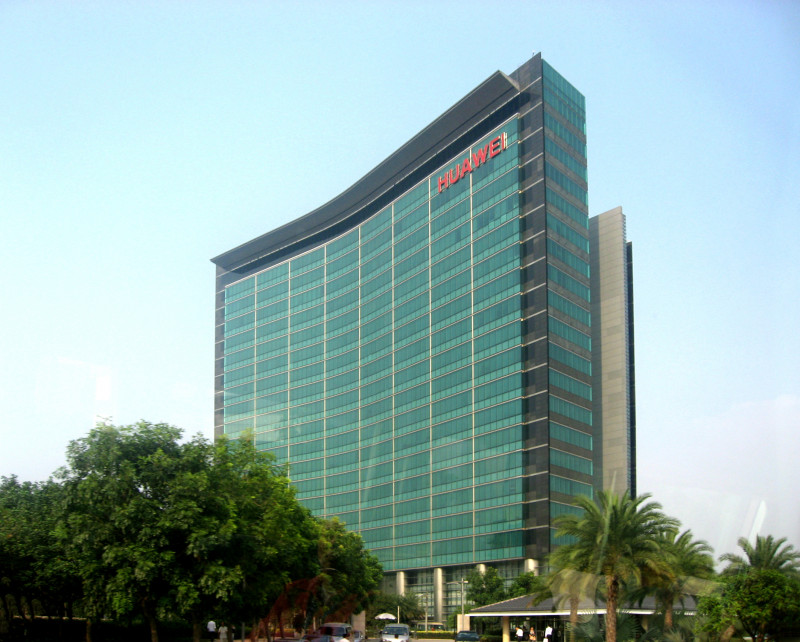
Huawei Technologies Co Ltd is a leading global provider of...
The United States of America is a federal republic primarily...
Saudi Arabia officially the Kingdom of Saudi Arabia KSA is...
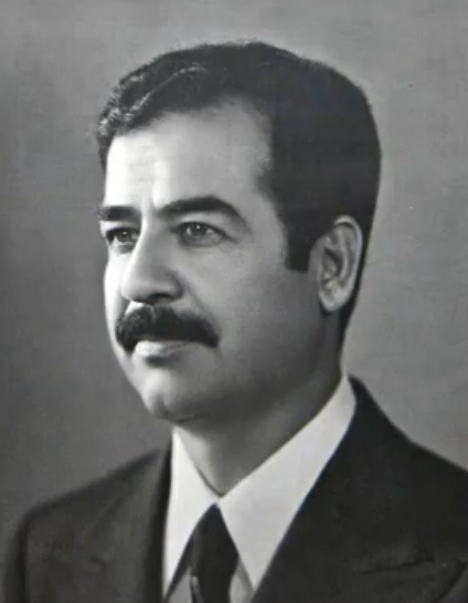
Saddam Hussein was the fifth president of Iraq from to...

Qatar is a country located on the Qatar Peninsula in...
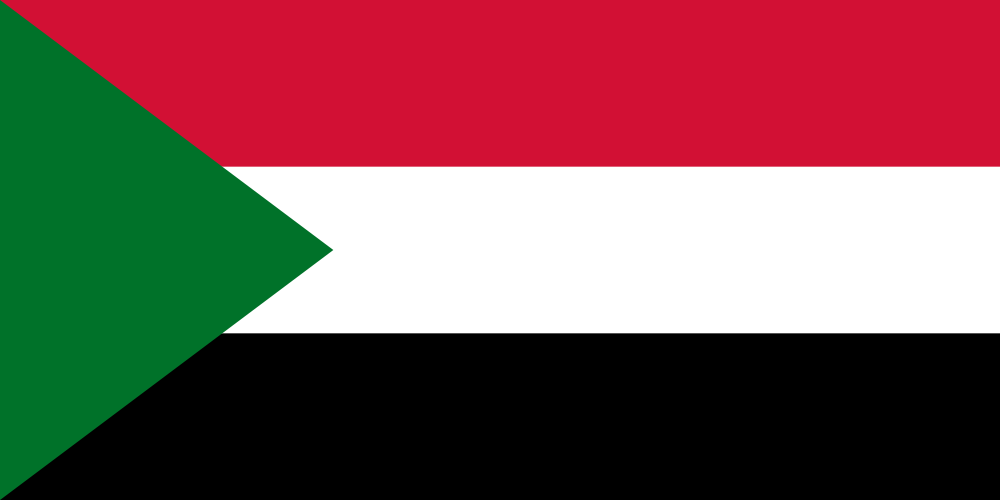
Sudan officially the Republic of the Sudan is a country...
Trending
24 days ago Trabzonspor vs Galatasaray Süper Lig Match Preview and Starting XI Details

3 hours ago Alex de Minaur Proposes Significant Rule Changes to Tennis Serve Clock Procedures
17 days ago Sylvester Stallone Opens Up About Personal Struggles and Childhood Trauma in New Memoir

4 hours ago Pedro Martínez Emphasizes Identity and Improvement for Real Madrid Basketball Team
4 hours ago Druski Set to Become First Digital Creator to Host Saturday Night Live
4 hours ago Kimberly Birrell Achieves Career Milestone With Top 40 Ranking Debut
Popular

Ken Paxton is an American politician and lawyer serving as...

Cristiano Ronaldo widely considered one of the greatest footballers captains...

Jameis Winston is an American football quarterback currently playing for...

Michael Joseph Jackson the King of Pop was a highly...

Elon Musk is a visionary entrepreneur and engineer known for...
Ilhan Omar is a prominent American politician currently serving as...